

Build-Over Agreements & Mapping
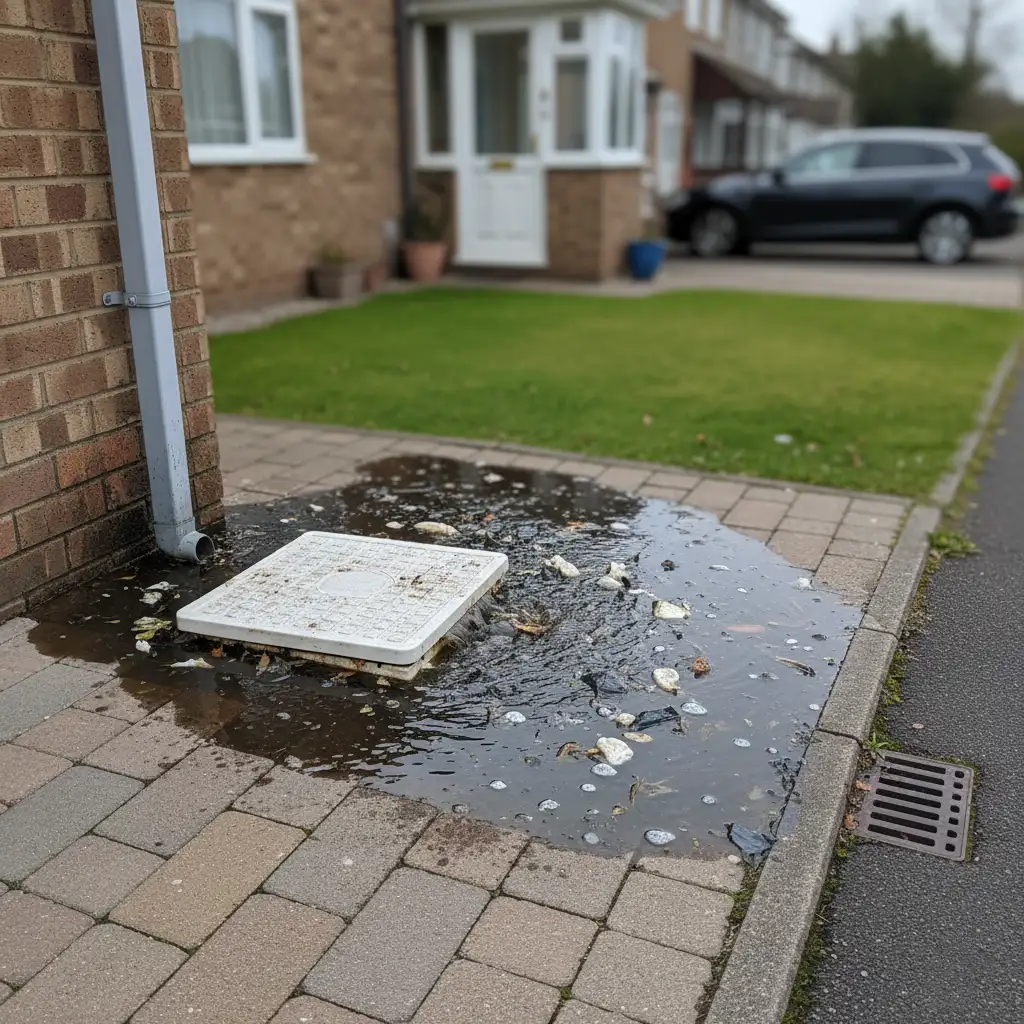
Building an extension? You likely need a drain map to satisfy Thames Water regulations. Drain 247 provides fast, ISO-standard CCTV surveys and Build-Over Agreement plans to ensure your project is fully compliant and legally protected.
Instant Free Quote
No obligation, no hidden fees. Just a clear, honest price.
Over 150 Genuine 5-Star Reviews From Happy Customers



Planning an Extension? You Need a Drain Map
If you are planning to build an extension, conservatory, or garage in Watford or London, you must check the location of the sewers before you lay a single brick.
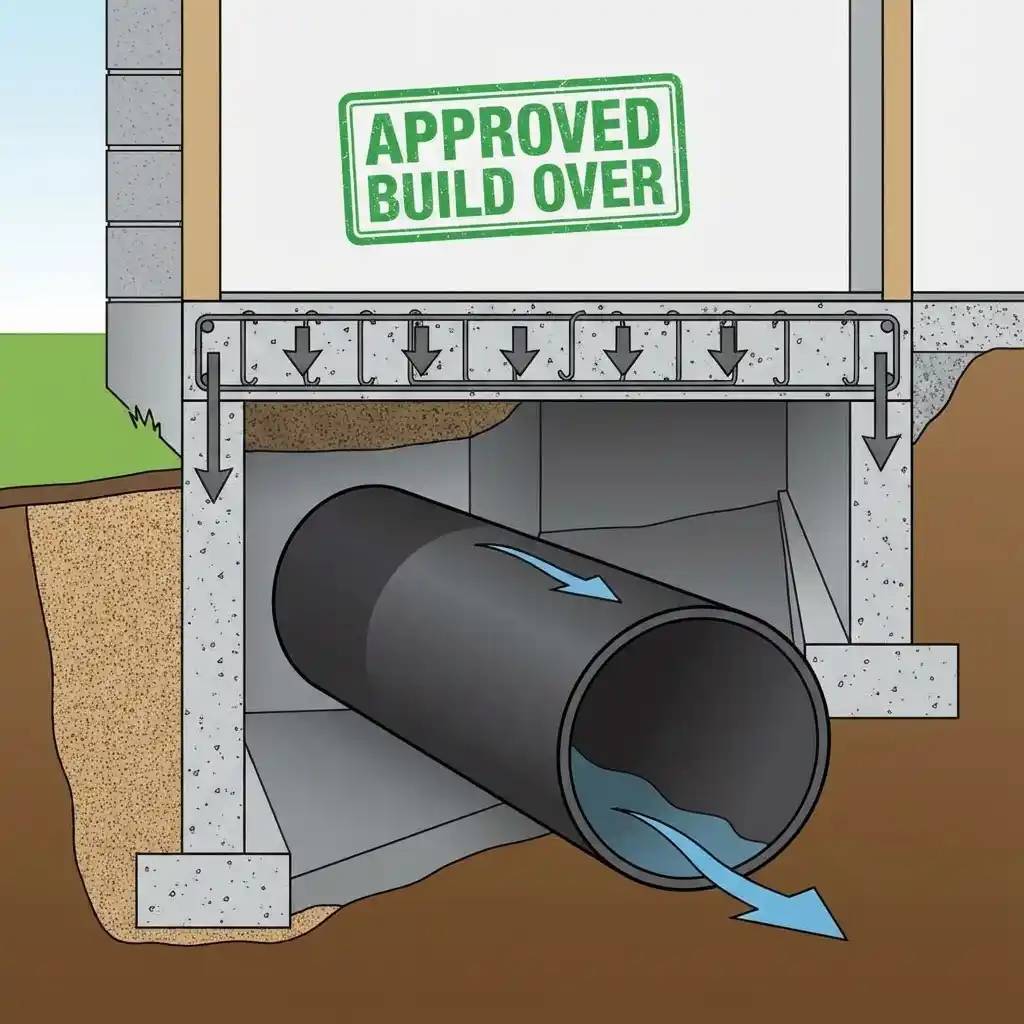
Under the regulations set by local water authorities (such as Thames Water), if you intend to build within 3 metres of a public sewer, or connect to one, you are legally required to obtain a Build-Over Agreement. To get this agreement approved, you must submit an accurate map showing exactly where the pipes run, their depth, and their condition.
What Happens if You Don't Get Agreement?
Ignoring this step is a costly mistake. If you build over a public sewer without permission:
- Legal Action: The water authority has the legal power to demand you demolish your extension to access the pipe if it ever needs repair.
- Selling Issues: When you eventually sell your property, the buyer’s solicitor will demand to see the Build-Over Agreement. If you cannot produce it, the sale will likely fall through.
- Stop Work Orders: Building Control may refuse to sign off on your project.
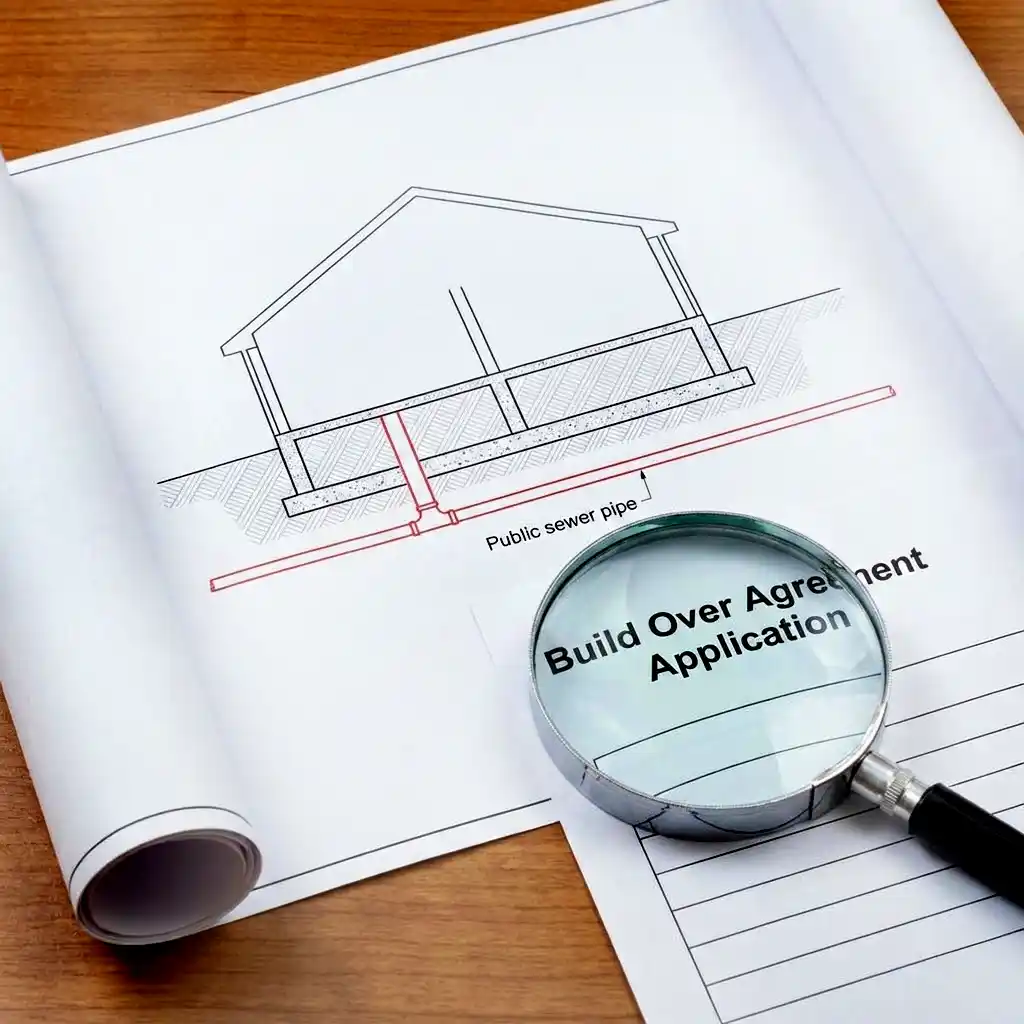
Get the technical data you need to satisfy the architects and Thames Water.
Our Pre-Build Mapping Services
Asset Mapping (Sonar Tracing). We feed a sonde (a radio transmitter) down the pipe and track it from the surface using a receiver. This allows us to pinpoint the exact line of the drain and its depth (invert level) without digging a single hole. We can mark this on the ground for your builder.
Pre-Build Condition Survey (CCTV). Thames Water needs proof that the drain is in good condition before you build. We provide a full Wincan Report (the industry standard) and DVD/USB footage showing the pipe is free from defects.
Post-Build Survey. Once construction is finished, we return to re-survey the drains. This proves that your builders did not damage the pipes during the foundation work, allowing you to get the final sign-off from Building Control.
5-Star Reviews.


Why Choose Drain 247 for Mapping?
- ISO Standard Reporting: Our reports meet the strict criteria required by water authorities and structural engineers.
- Fast Turnaround: We understand that building projects run on tight schedules. We typically deliver reports within 24–48 hours of the site visit.
- Fixed Prices: We offer competitive fixed rates for drain mapping, so you can budget your project accurately.
Get Your Project Approved With A Detailed Map Of Your Drains For Your Extension Project.
Frequently Asked Questions

When is a Build-Over Agreement legally required?
You need a Build-Over Agreement if you are constructing a new building or extension within 3 metres of a public sewer, or if you are building directly over one.
Since October 2011, most shared drains (those serving more than one property) were transferred to water company ownership (e.g., Thames Water).
This means even if the pipe is in your garden, it likely belongs to them, and you need permission to build near it.
What happens if I build without a Build-Over Agreement?
Ignoring this step is risky. If you build over a public sewer without permission:
Building Control will likely refuse to sign off on your project certificate.
Selling your home becomes very difficult, as the buyer’s solicitor will demand to see the agreement.
Enforcement Action: The water authority has the legal right to access their asset. In extreme cases, they can demand you demolish the extension to allow them access to the pipe for repairs.
Can I build over a manhole or inspection chamber?
Generally, no. Water authorities usually do not allow internal manholes inside a kitchen or living space because of the risk of flooding, smells, and lack of access.
If you have a manhole where you want to build, it usually needs to be moved outside the building footprint. We can help map the drains to determine the best location for relocation.
What is the difference between a Pre-Build and Post-Build Survey?
Most water authorities require two surveys:
Pre-Build Survey: Carried out before work starts. This proves the drain is currently in good working order and maps its exact location.
Post-Build Survey: Carried out after the foundation work is complete. This proves to the water company that your builders did not crack or squash the pipe during construction.
Do you submit the application to Thames Water for me?
We provide the technical evidence required for the application. We supply you (or your architect) with the CCTV footage, the Wincan Report (condition report), and the Drain Map.
You then attach these documents to your application via the Thames Water (or local authority) portal. Having a professional pack from Drain 247 significantly speeds up the approval process.
My builder says the drain is small, do I still need one?
Size doesn’t matter; status does. If the pipe is a Public Sewer (meaning it serves your neighbour’s house as well as yours, or connects to the main road), you need an agreement, even if it is a small 100mm pipe.
If the drain serves only your property and is inside your boundary, it is usually a private drain, and you may not need an agreement (though Building Control will still want to see it is protected).
How long does the survey take?
Drain 247 can usually attend your property within 24-48 hours. The on-site survey typically takes 1–2 hours depending on the complexity of the system.
We then process the data and send you the full report and map via email, usually by the next working day.
Contact
We are Here:
Watford, Hertfordshire, WD17 1JJ

Call Us:
Get in Touch
Your email address will not be published. Required fields are marked *