
Slow Draining Sinks & Gurgling Noises?
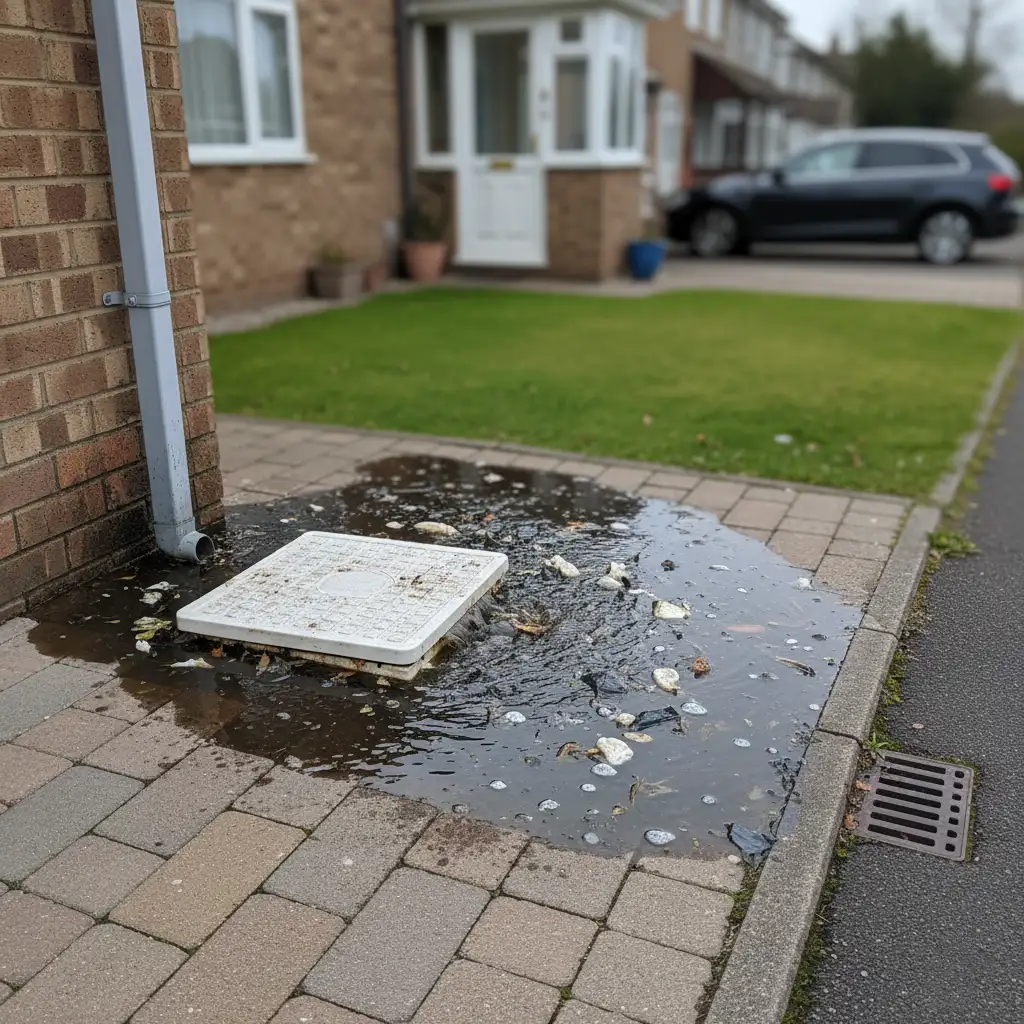
Is your water taking forever to drain? Hearing strange bubbling noises from the toilet when you run the tap? These are the first signs that your main drain is choking. We can attend today to blast through the blockage and get your system flowing freely again.
Instant Free Quote
No obligation, no hidden fees. Just a clear, honest price.
Over 150 Genuine 5-Star Reviews From Happy Customers



Don't Ignore the "Glug" – It’s a Warning Sign
Is your kitchen sink taking longer than usual to drain? Does your toilet make a strange bubbling or “glugging” noise when you run the tap or flush the shower?
These are not just minor annoyances. In the drainage industry, these are known as “Pre-Blockage Symptoms.” The gurgling sound is caused by trapped air being forced back up the system because water cannot flow past a forming obstruction deep in the pipework.
If you are experiencing these symptoms, you have a short window of opportunity to clear the drain before it results in a Total Blockage and sewage backing up into your home.
Why Store-Bought Chemicals Don't Work
When faced with a slow drain, many homeowners pour caustic soda or thick chemical gels down the plughole.
- The Problem: Chemicals rely on gravity. They often sit on top of the blockage or melt a tiny hole through the fat, providing only temporary relief.
- The Risk: These chemicals generate heat (exothermic reactions) which can warp plastic pipes or corrode older metal traps. Furthermore, if the chemical fails to clear the block, our engineers are then at risk of chemical burns when they eventually attend to fix it.

Don't Wait. We'll Get Your Drains Flowing Quickly Again
The Professional Solution: High-Pressure Water Jetting
At Drain 247, we resolve slow drains using High-Pressure Water Jetting. Our vans are equipped with industrial jetting units capable of delivering water at 3,000+ PSI. This is not just a “wash”; the water pressure is strong enough to:
- Cut through tree roots.
- Pulverise hardened scale and concrete.
- Emulsify fat, oil, and grease (FOG) so it flows away.
- Scour the pipe walls clean, restoring the drain to its full diameter.

5-Star Reviews.


Common Culprits We Remove
- Scale Buildup: Watford and London have “hard water,” leading to jagged scale deposits inside pipes that catch toilet paper.
- Fatbergs: Cooking oil poured down the sink solidifies when it cools, creating a concrete-like blockage.
- Wet Wipes: Even wipes labelled “flushable” do not break down like toilet paper. They bind together to form solid masses.
Book A Preventative Clean Now. No Call-Out Charges and transparent fixed pricing.
Frequently Asked Questions

Why does my toilet bubble when I empty the sink or bath?
This is a classic sign of an “Air Lock” caused by a blockage further down the main pipe.
Because the water from the sink cannot flow past the blockage quickly enough, it pushes air back up the system.
The air escapes through the path of least resistance—usually your toilet U-bend—creating that bubbling or “glugging” sound.
It means the main line is partially choked.
Is it safe to use chemical drain cleaners (like caustic soda)?
We generally advise against them for deep blockages. Strong chemicals generate heat (an exothermic reaction) which can warp plastic pipes or corrode older metal traps.
Furthermore, chemicals usually just melt a small hole through the grease, meaning the blockage returns in a few days.
High-pressure water jetting is safer and removes the blockage completely.
Why does water come up in the shower when I flush the toilet?
If water backs up into the shower or bath when you flush, it means the blockage is located after the point where the toilet and shower pipes join together.
The water has nowhere to go but sideways into the lowest point (the shower tray). This is a sign of a significant obstruction in the soil pipe that needs professional clearance.
Will a plunger fix a slow draining sink?
A plunger can sometimes shift a small blockage near the plughole, but it often just pushes the debris further down the pipe where it compacts and becomes harder to remove.
If you have plunged it and the water is still slow, the issue is likely scale or fat build-up deep in the system that a plunger cannot reach.
What is the black gunk coming up from my plughole?
That sludge is usually a combination of decomposing hair, soap scum, and bacteria. It smells bad and is sticky, which acts like glue for other debris.
We use high-pressure water jets to scour the inside of the pipe, stripping this sludge away and restoring the pipe to its original diameter.
Do I need an emergency callout for a slow drain?
Not necessarily, but you should book a visit soon. A slow drain is a “Pre-Blockage.”
It is currently managing to drain, but it is effectively a ticking time bomb. It is cheaper and less stressful to book a scheduled “Maintenance Clean” now than to pay for an emergency callout at midnight when it finally overflows.
Can hard water cause slow drains?
Yes, especially in Watford and London. Hard water leaves limescale deposits on the inside of pipes, making the surface rough.
This rough surface catches toilet paper and waste much faster than a smooth pipe, narrowing the channel over time.
We use specialist descaling heads on our jetters to remove this scale.
Contact
We are Here:
Watford, Hertfordshire, WD17 1JJ

Call Us:
Get in Touch
Your email address will not be published. Required fields are marked *