
The United Kingdom boasts one of the most vibrant and diverse hospitality sectors in the world. From bustling independent cafes to massive chain restaurants and commercial dark kitchens, the nation serves millions of meals every single day. However, this culinary boom has a dark, subterranean byproduct. Beneath the pavements of our towns and cities, a catastrophic infrastructure crisis is unfolding, driven largely by commercial kitchen waste.
Fats, oils, and grease (universally known in the drainage industry as FOG) are the inevitable consequence of commercial cooking. When this waste is not managed correctly, it enters the public sewer network, cools, and solidifies. Combining with unflushable items, it creates massive, concrete like structures known as fatbergs.
For the hospitality industry, poor FOG management is no longer just an environmental faux pas. It has evolved into a severe financial and legal liability. In this comprehensive 2026 data report, the commercial drainage experts at Drain 247 analyse the true impact of hospitality waste on UK sewers, the financial devastation of non compliance, and the regulatory crackdowns reshaping the food service industry.
0
Commercial Food Establishments in the UK
0
Litres of FOG Waste per Restaurant Annually
£0m
Annual Thames Water Cost for Blockage Clearance
The Staggering Scale of Commercial Kitchen Waste
To understand the fatberg crisis, one must first look at the sheer volume of waste produced by Food Service Establishments (FSEs). The hospitality sector operates at a scale that dwarfs domestic kitchen waste, and the drainage infrastructure is bearing the brunt of this output.
According to data published by Water UK, there are an estimated 400,000 commercial food establishments operating across the country. While a standard household might produce a few litres of waste cooking oil a year, the commercial figures are staggering. Industry analysis reveals that a typical medium sized restaurant can produce up to 1,500 litres of FOG waste annually. When multiplied across the entire hospitality sector, millions of litres of highly problematic grease enter the wastewater system every month.
The impact on the local water authorities is monumental. Thames Water, the UK’s largest water and wastewater services provider, reports that they clear around 75,000 blockages from their network every single year at a cost of approximately £18 million. Strikingly, environmental investigations suggest that over 70 percent of all fatbergs and severe grease blockages in urban areas can be traced directly back to commercial FSEs rather than domestic properties.
When a high street features a heavy concentration of fast food outlets, restaurants, and takeaways, the local sewer lines become high risk “grease hot spots”. Without stringent grease management systems in place, these pipes become severely restricted, reducing wastewater flow to a trickle and setting the stage for catastrophic flooding.
Urban Infrastructure Crisis: Real-Time Commercial Impact
Since you opened this article, clearing network blockages has cost Thames Water:
£0.00
*Based on the regional £18,000,000 annual expenditure on blockage clearance
205
Daily Network Blockages
Individual pipe obstructions cleared across the regional network every single day.
£49,315
Daily Network Spending
The financial burden placed on water infrastructure operations every 24 hours.
70%
Commercial Origin
The proportion of city centre fatbergs directly linked to food service businesses.
The Anatomy of a Commercial Fatberg
The word “fatberg” has entered the public lexicon thanks to high profile discoveries, such as the infamous 130 tonne Whitechapel monster found in London. However, many business owners still misunderstand exactly how these structures form and why they are so incredibly difficult to remove.
A commercial fatberg is not simply a soft lump of congealed butter. It is the result of a chemical process called saponification. When hot, liquid cooking oils and animal fats are washed down commercial sinks, they mix with the highly alkaline cleaning chemicals and dishwashing detergents used in professional kitchens. As this mixture travels into the cold underground sewer environment, it triggers a chemical reaction that turns the fat and calcium into a hard, soap like substance.
This saponified grease acts as a subterranean binding agent. It coats the rough brickwork of Victorian sewers and modern plastic pipes alike. Once the sticky foundation is laid, it catches every piece of solid waste that passes by. In a commercial setting, this often includes food scraps that have bypassed broken sink strainers, combined with the millions of wet wipes flushed down restaurant customer toilets.
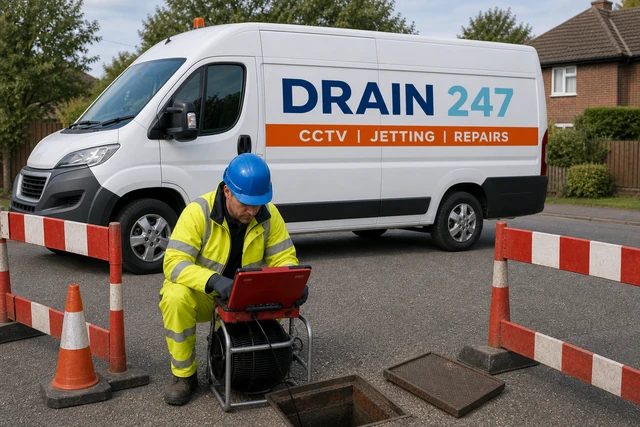
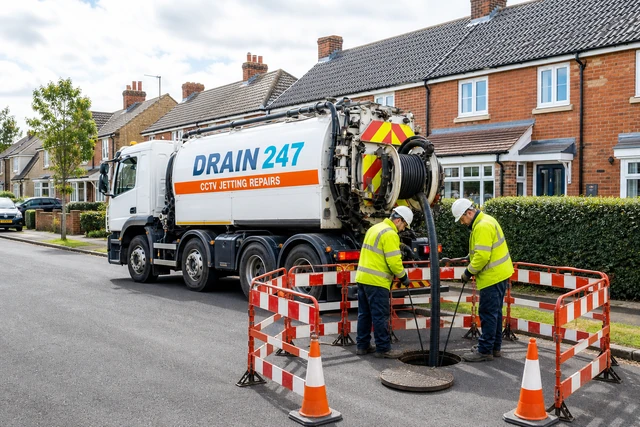
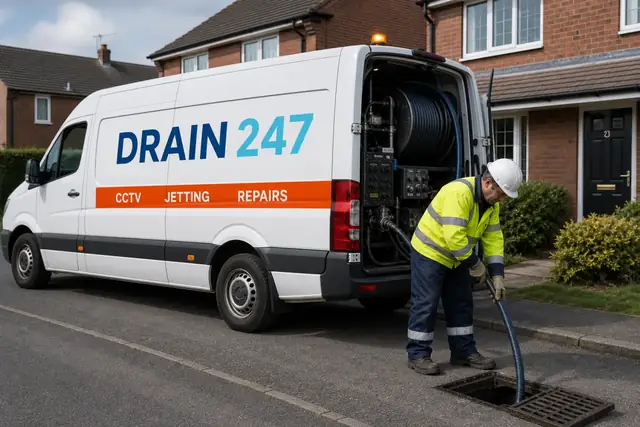
Within a matter of weeks, a busy restaurant without a working grease trap can inadvertently build a blockage as hard as concrete. Removing these commercial fatbergs cannot be done with standard drain rods. It requires specialist drainage contractors, like Drain 247, using ultra high pressure water jetting equipment and robotic cutters to literally chisel the mass away from the pipe walls.
The Three Phases of Commercial Fatberg Formation
01
FOG and Alkaline Discharge
Hot liquid animal fats and vegetable oils are washed down professional kitchen sinks, mixing directly with highly alkaline dishwashing detergents and cleaning agents.
02
Saponification and Hardening
As the liquid mixture enters the cold underground sewer network, a complex chemical reaction occurs. The fats and calcium react, transforming the grease into a rock hard, soap like mass.
03
Subterranean Debris Binding
The hardened grease forms a sticky structural foundation inside the pipe. It actively catches incoming solid debris, including passing food scraps and flushed wet wipes, building an immovable obstruction.
Removal Reality: Because saponified grease sets like solid concrete, standard domestic drain rods are completely ineffective. Clearing commercial fatbergs requires industrial high pressure jetting and specialised mechanical cutters.
The Grease Trap Deficit: a Crisis of Compliance
Given the severe consequences of FOG buildup, one would assume that every commercial kitchen is equipped with state of the art grease management technology. Unfortunately, the statistics reveal a alarming deficit in industry compliance.
A grease trap (or grease interceptor) is a plumbing device designed to intercept most greases and solids before they enter a wastewater disposal system. However, compliance audits conducted across major UK cities highlight a systemic problem. Environmental health officers estimate that up to 30 percent of independent fast food outlets and smaller restaurants operate without any dedicated grease management system whatsoever.
Even more concerning is the state of the equipment in businesses that do have them installed. Installing a grease trap is only the first step. They require daily skimming and professional emptying on a regular schedule to remain effective. A survey of commercial kitchen practices found that among FSEs with grease traps, over 40 percent were poorly maintained, overloaded, or entirely non functional.
The reasons for this compliance gap are deeply rooted in the realities of the hospitality industry. High staff turnover means that training on FOG disposal is often lost. Furthermore, the intense pressure of a busy service means kitchen porters and chefs often take the path of least resistance, washing oily pans and plates directly under hot taps rather than scraping them dry first. Over time, these small operational failures accumulate into a massive infrastructure breach.
The Financial Devastation for Non Compliant Restaurants
For a restaurant owner, a blocked drain is not just a plumbing issue. It is an immediate threat to the survival of the business. The financial penalties of poor FOG management hit hospitality venues from multiple angles, often resulting in costs that far exceed their weekly profit margins.
Based on 2026 commercial pricing data and industry reports, the financial breakdown of a severe drainage failure is crippling:
-
Emergency Clearance Costs: When a commercial kitchen backs up, standard plumbing rates do not apply. Emergency out of hours callouts for industrial high pressure water jetting and tanker vacuuming typically range from £350 to £800 per visit, depending on the volume of grease and the time of day.
-
Lost Revenue and Forced Closures: Environmental Health regulations state that a commercial kitchen cannot legally operate if its drainage system is backing up, as it presents an immediate biological hazard. If a restaurant is forced to close on a busy Friday night due to a fatberg, the lost revenue can easily exceed £3,000 to £5,000 for a single evening.
-
Structural Repair Bills: Saponified grease expands and becomes incredibly heavy. Over time, the sheer weight of a fatberg can cause older clay pipes to crack or collapse entirely. Excavating and replacing a collapsed commercial drain under a high street pavement can result in civil engineering bills exceeding £10,000.
-
Pest Control Escalations: Stagnant grease and food waste trapped in internal pipes act as a powerful attractant for rats and cockroaches. A blocked drain inevitably leads to pest infestations, resulting in further closure orders and emergency pest control contracts.
Ultimately, trying to save money by neglecting grease trap maintenance is a false economy that places the entire business at risk of bankruptcy.
Commercial Drainage Liabilities and Costs [2026]
Emergency Clearance
£350 to £800
Industrial callouts requiring rapid high pressure water jetting and tanker vacuuming to clear heavy grease obstructions.
Forced Operational Closures
£3,000 to £5,000+
Estimated loss of revenue per single evening shift if Environmental Health orders a closure due to active drainage backups.
Structural Remediation
£10,000+
Civil engineering costs associated with deep street excavation to replace main drain runs collapsed by expanding grease weights.
Pest Control Escalation
Variable Expense
Emergency pest contracts required to eliminate rodent populations drawn to stagnant subfloor food and grease accumulations.
Neglecting fatberg preventative maintenance is a false economy that places commercial hospitality venues at direct risk of forced emergency closure.
Water Authority Crackdowns and Record Fines
Historically, many food businesses viewed pouring grease down the drain as a low risk activity. It was seen as an “out of sight, out of mind” problem that the local water board would eventually deal with. This era of leniency is officially over.
UK water authorities are now aggressively pursuing commercial polluters. Under Section 111 of the Water Industry Act 1991, it is a criminal offence to discharge any matter into a public sewer that may interfere with the free flow of wastewater. Water companies have deployed dedicated “Network Protection Teams” who use CCTV drain cameras and acoustic sensors to trace grease build ups back to the specific restaurants responsible.
The legal and financial repercussions for breaches are severe and publicly damaging. In recent years, the courts have handed down record breaking fines to hospitality businesses that repeatedly ignore warnings.
In a landmark prosecution by Thames Water, a major pub chain was fined £90,000 after failing to properly manage its grease traps, leading to a massive fatberg that flooded a neighbouring residential property. Similarly, individual independent restaurants have faced fines ranging from £3,000 to £15,000, alongside orders to pay the water company’s investigation and cleanup costs.
Crucially, these prosecutions are a matter of public record. For a restaurant, the reputational damage of being named and shamed in the local press for causing a “sewage flood” is often far more damaging than the financial fine itself.
Proactive Protection: How Hospitality Businesses Must Adapt
The statistics prove that the hospitality industry is at the epicentre of the UK fatberg crisis. However, protecting the business, the environment, and the local sewer network is entirely achievable through proactive management and professional partnerships.
The most effective strategy for any FSE is a comprehensive, three tiered approach to FOG management:
Firstly, physical interception is non negotiable. Every commercial kitchen must have a correctly sized, professionally installed grease trap that complies with BS EN 1825 standards. The size of the trap must be calculated based on the maximum flow rate of the kitchen sinks and dishwashers, ensuring the wastewater has enough time to cool and separate before leaving the premises.
Secondly, businesses are increasingly turning to biological dosing systems. These automated units inject specific strains of grease degrading bacteria into the drainage system at the end of each shift. These naturally occurring microbes literally eat the residual fat, oil, and grease, breaking it down into harmless water and carbon dioxide, completely preventing saponification.
Finally, regular CCTV drain surveys are the ultimate insurance policy. By partnering with a commercial drainage specialist like Drain 247, restaurant owners can schedule bi annual camera inspections of their primary outlet pipes. This allows professionals to identify and jet away minor grease scales long before they have the chance to harden into a business ending fatberg.
By combining proper kitchen protocols with robust drainage maintenance, the UK hospitality sector can protect its profit margins, ensure total legal compliance, and single handedly turn the tide against the national fatberg epidemic.
Regulatory Crackdowns: the Cost of Non-Compliance
The Legal Reality
Understanding FSE Obligations
Water Industry Act 1991
Under Section 111, it is a strict criminal offence to discharge any matter into a public sewer that may interfere with the free flow of wastewater.
- Network Protection Teams: Water boards now deploy dedicated units to actively hunt commercial polluters.
- Acoustic Sensors: High-tech flow monitors trigger alerts when pipe capacities drop due to grease build up.
- CCTV Tracing: Camera crawlers are used to follow grease trails directly back to the offending restaurant’s drain connection.
Prosecution Ledger
Recent Industry Financial Penalties
Major UK Pub Chain
Landmark Thames Water prosecution for failing to manage grease traps, resulting in local property flooding.
£90,000
Independent Restaurants
Average fine range handed down by courts to single-site operators ignoring prior FOG warnings.
£3k to £15k
Reputational Hazard: Prosecutions are a matter of public record. Being named in local press for causing a “sewage flood” is often more damaging than the fine itself.
The Bizarre Psychology of Water Waste
To fully understand the drainage crisis, we must look at the psychological habits of the British public. The Consumer Council for Water (CCW) released a fascinating report titled “Lifting the Lid: The Secrets of Our Water Habits”, which detailed exactly how and why people waste water in the bathroom.
The findings highlight some highly unusual behaviours. Almost one in five people surveyed across England and Wales (17 percent) admitted to running the bathroom tap simply to cover up the sound of them using the toilet. Londoners were particularly guilty of this, with 22 percent admitting to the habit.
Furthermore, 90 percent of respondents admitted to flushing the toilet twice after doing a “number two”. While this might seem like a harmless hygiene practice, the excessive volume of water being flushed unnecessarily places immense strain on local reservoirs and wastewater treatment facilities. The CCW report also found that 29 percent of people run their shower for longer than needed just to get some peace and quiet away from family or housemates.
These statistics paint a picture of a population that takes its plumbing infrastructure completely for granted, viewing drains and toilets as infinite voids rather than delicate, interconnected systems.
The Environmental Toll of Blocked Sewers
The damage caused by poor flushing habits extends far beyond household plumbing bills. When sewers block, the environmental consequences are devastating.
If a pipe is completely obstructed by a fatberg, the wastewater system utilises storm overflow pipes to prevent raw sewage from flooding residential streets. Unfortunately, this means untreated wastewater is discharged directly into rivers, streams, and the ocean.
The Marine Conservation Society conducts regular beach cleanups to monitor the health of the UK coastline. Their data is sobering. In 2020, they found an average of 18 wet wipes per 100 metres of coastline. To put this in perspective, this figure was just 1.7 wet wipes per 100 metres in 2005. This represents a 300 percent increase in just over a decade, highlighting exactly where our flushed bathroom waste ends up.
Water companies are increasingly facing severe financial penalties for allowing blockages to cause pollution. In one notable case documented by GOV.UK, an underground sewer pipe in Chislehurst became completely lodged with tree roots, fat, oil, grease, and debris. The build up forced raw sewage above ground, flooding a field and two streams before entering the River Shuttle. The incident killed dozens of fish and hundreds of invertebrates. As a result, the Environment Agency forced Thames Water to pay an £80,000 civil sanction to the South East Rivers Trust, plus an additional £20,000 in investigation costs.
The Devastating Environmental Reality
UK Coastline Pollution
Marine Conservation Society Beach Cleanup Data
*Average wet wipes found per 100 metres of coastline
Year 2005
1.7 Wipes / 100m
Year 2020
18.0 Wipes / 100m
The Impact: This represents a 300 percent increase in just over a decade, proving exactly where flushed bathroom waste ends up when storm overflows are triggered by domestic blockages.
Regulatory Case Study
Environment Agency vs. Thames Water (Chislehurst)
- The Cause: An underground sewer pipe became completely lodged with tree roots, fat, oil, grease, and debris.
- The Consequence: The buildup forced raw sewage above ground, flooding a field and two local streams before entering the River Shuttle.
- Ecological Damage: The untreated wastewater killed dozens of fish and hundreds of invertebrates.
Civil Sanction Penalty
£80,000
Investigation Costs
£20,000
Total Financial Penalty
£100,000
Protect Your Commercial Kitchen from Drainage Disasters
Do not let poor FOG management put your hospitality business at risk of forced closures or record fines. Partner with the commercial drainage specialists at Drain 247 for professional grease trap maintenance, high pressure jetting, and proactive CCTV surveys.
Call Us Now: 0208 387 5591