If your water bill has jumped, the cause is usually one of five things: a hidden leak, a running toilet, thirsty habits or appliances, being charged for something you do not use, or simply the annual price rise. Here is how to check each one, and what you can do about it.
First, Check the Price Rise
Bills changed on 1 April 2026. Water UK says the national average bill for 2026–27 is forecast at £639, a rise of £33 or 5.4%. For homes in our area, the average for Thames Water (water and wastewater) is £658, and for Affinity Water’s Central region (water only) it is £266. If your increase is much bigger than that, read on.
1. a Leak on Your Supply Pipe
The underground pipe bringing water into your home can leak for months without you seeing it, especially if you are on a meter. Supply pipes run from your boundary into the house, and Ofwat says you must maintain the supply pipes that are your responsibility, including leak detection, repairs and replacement. The good news: if you have a meter and your bill was abnormally high because of a leak that has since been repaired, you may be able to claim an allowance, and many water companies offer free or subsidised supply pipe repairs.
How to check: turn off every tap and appliance, read your meter, wait an hour without using water and read it again. If it has moved, you have a leak somewhere. Contact your water supplier, which can often help locate it.
2. a Running Toilet or Dripping Tap
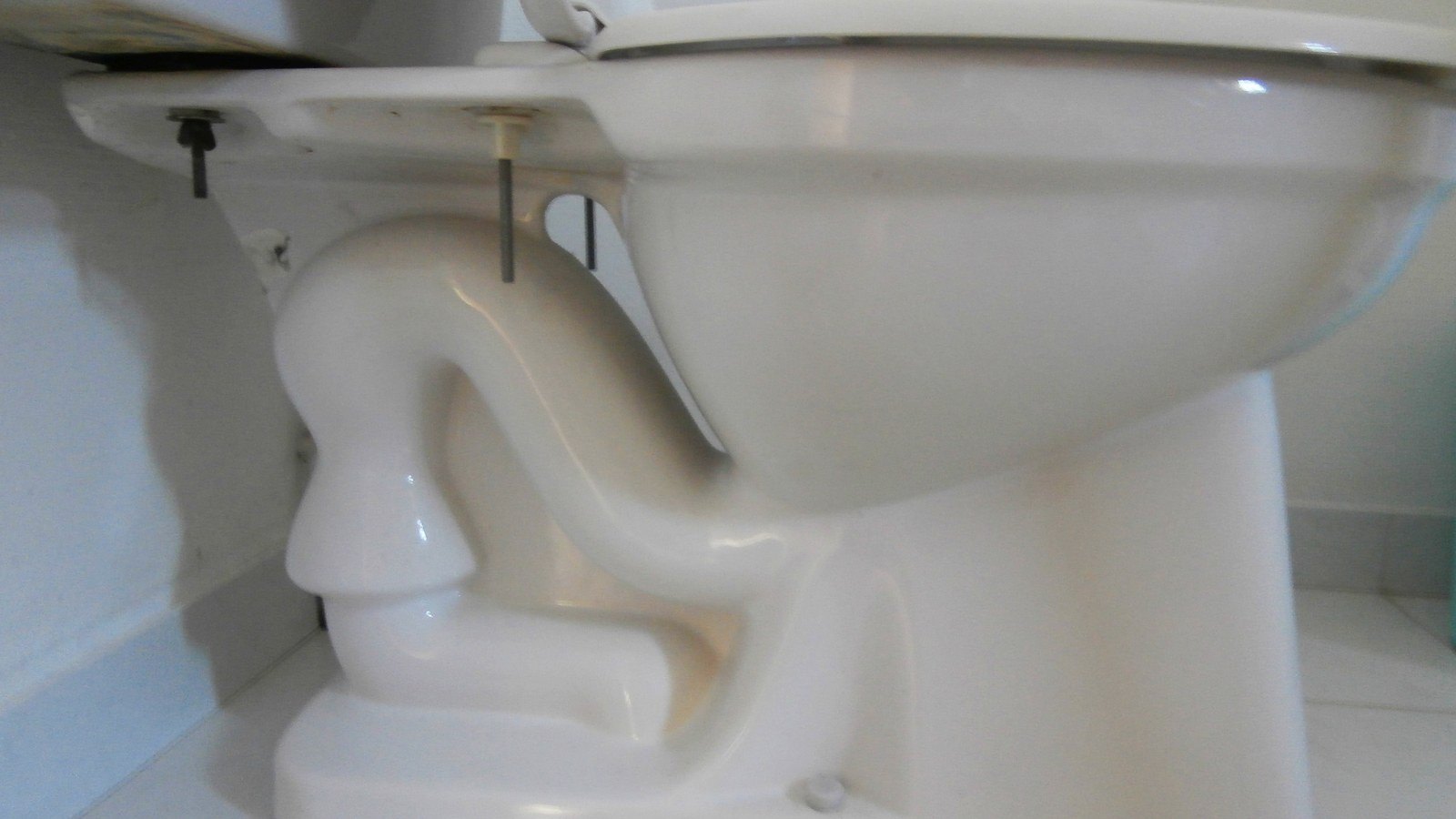
A worn flush valve or a fill valve set too high lets water trickle into the pan all day.
How to check: put a few drops of food colouring in the cistern and wait 15 minutes without flushing. If colour appears in the pan, the valve needs replacing. Fix dripping taps by replacing the washer or cartridge.
3. Habits and Appliances
Long showers, half-loads in the washing machine and older appliances all add up. Consumer Council for Water research found that 29% of people run their shower for longer than needed just for some peace and quiet. Shorter showers, full loads and an efficient shower head make a real difference on a metered bill.
4. Paying for Surface Water Drainage You Do Not Use
Most wastewater bills include a charge for rainwater from your roof and drive going into the public sewer. Thames Water says you pay for surface water drainage as part of your wastewater charges, and that if your property is not connected to the public sewer for surface water, you may be able to get a rebate. If your gutters drain to a soakaway, it is worth checking. Not sure where your rainwater goes? See does rainwater go into the sewer?
5. the Wrong Tariff or an Estimated Bill
Check whether your bill is based on an estimated or actual reading, and whether a meter would save you money. Your supplier can review this and may offer support tariffs if you are struggling to pay.
Leaks and Your Drains
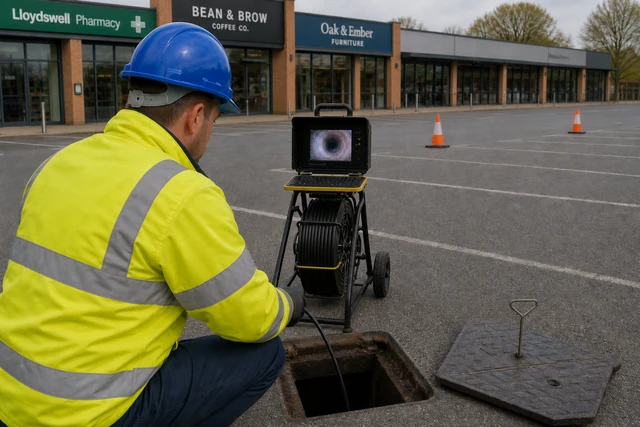
A leak can also show up as a damp patch, sinking paving or a drain running when nothing is in use. Water leaking from a cracked drain can wash away soil and lead to subsidence. If you suspect a drain problem, a CCTV drain survey will show it; see also signs of a collapsed drain.
Frequently Asked Questions
Who Fixes a Leak on the Pipe Outside My House?
If it is on the public side of the boundary, your water supplier. If it is on your supply pipe, usually you, though many suppliers offer free or subsidised repairs.
Can I Get Money Back for a Leak?
Many suppliers offer a leak allowance once the leak is fixed. Ask yours.
Need Help?
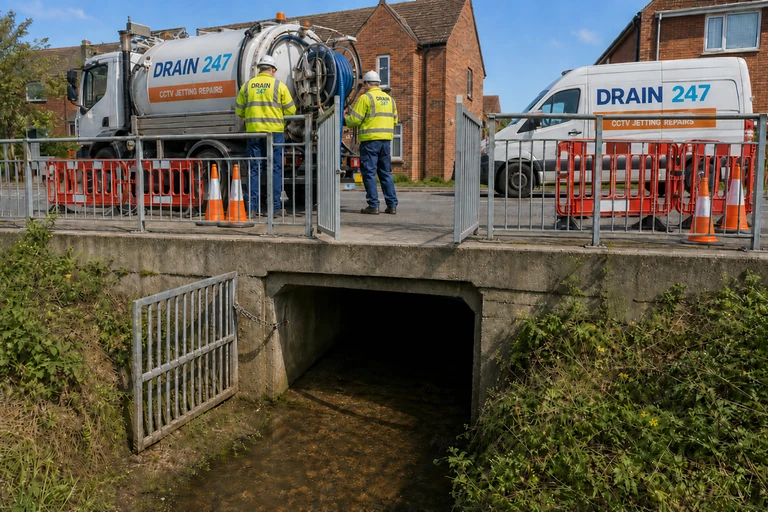
Drain 247 deals with drains rather than water supply, but if your problem is a leaking or broken drain we can find and fix it. Call 01923 959780; we cover Watford, Hertfordshire and North West London.