Blocked Drains
Blocked Toilet? How to Clear It Safely, What Never to Flush and When It's Really the Drain
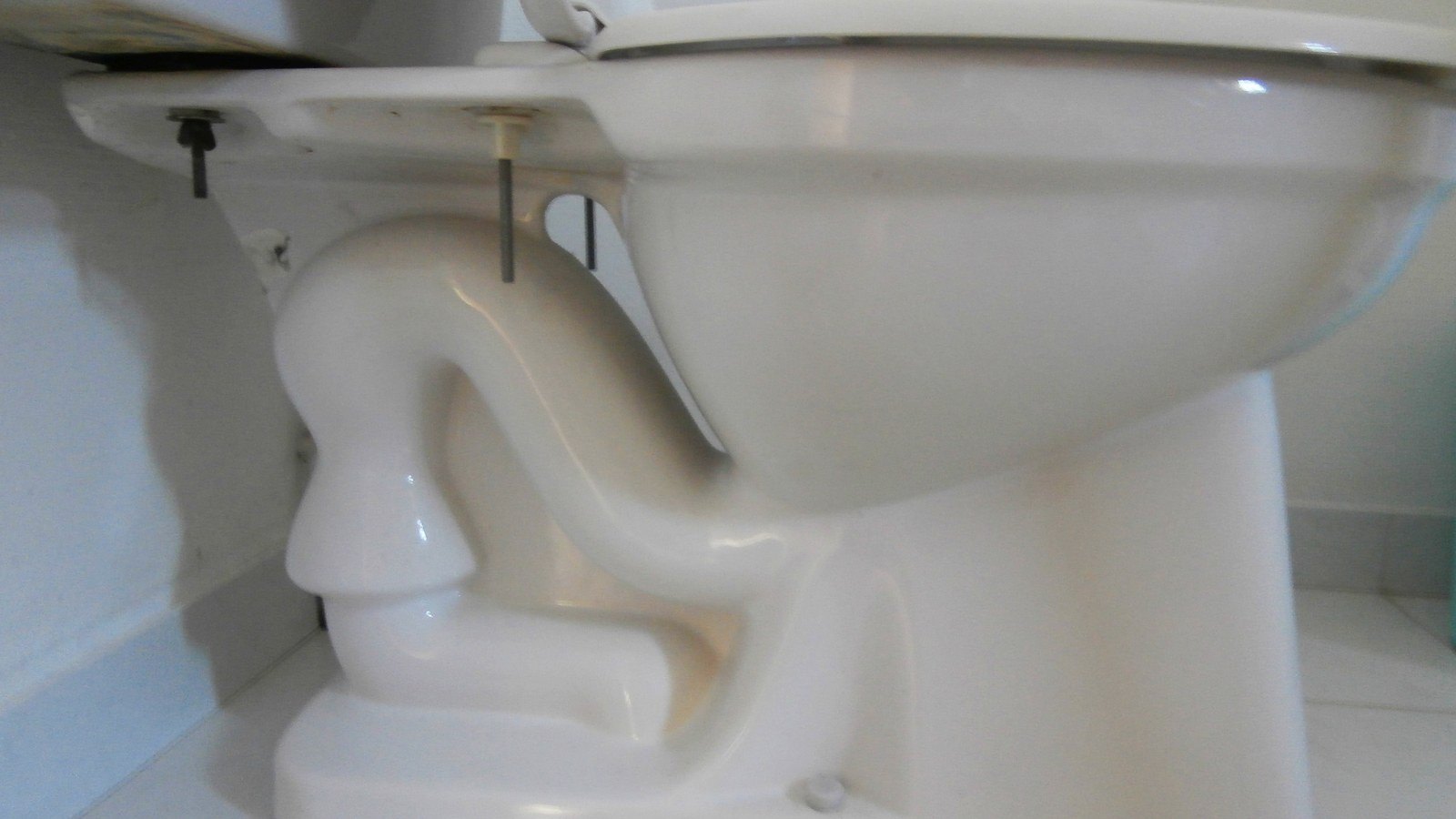
The short answer: Stop flushing, put on gloves and use a flanged toilet plunger, keeping the cup under water and working it firmly 15 to 20 times. If that fails, try a bucket of hot (not boiling) water with washing-up liquid. Never use boiling water, caustic drain cleaner or a coat hanger. If the bath, shower or another toilet backs up or gurgles when you flush, or the manhole outside is full, the blockage is probably in the drain or soil stack, where a plunger won't reach.
Why a Blocked Toilet Guide on World Toilet Day
Today is World Toilet Day. The UN's 2026 theme is sanitation and gender equality, and it notes that 3.4 billion people still live without safe sanitation. Here, we take a working toilet for granted until it stops working, and with Christmas guests on the way, toilets are about to get more use than usual. This is how to deal with a blockage yourself, and how to tell when it isn't a DIY job.
How to Unblock a Toilet Safely, Step by Step
- Stop flushing. If the bowl is full, another flush will overflow it.
- Protect yourself and the floor. The Chartered Institute of Plumbing and Heating Engineering (CIPHE) advises long-sleeved rubber gloves, safety glasses and old newspaper or a dust sheet around the pan, because splashing is likely.
- Do the water-level check. Leave it for 15 to 20 minutes. If the level slowly drops, water is getting past, which usually means a partial blockage in the pan or the pipe just behind it. If it doesn't move, the blockage is more solid.
- Plunge properly. Use a toilet plunger with a flange (the soft lip under the cup), not a flat sink plunger. With enough water in the bowl to cover the cup, press down gently to push the air out, then work it firmly up and down 15 to 20 times without breaking the seal.
- Try hot water and washing-up liquid. Squeeze washing-up liquid into the bowl, wait a few minutes, then pour in a bucket of hot tap water from waist height. The weight of water can push a soft paper blockage through.
- Test with a bucket before you flush. Once the level drops, pour in a bucket of water. If it clears straight away, flush once. If it rises again, stop.
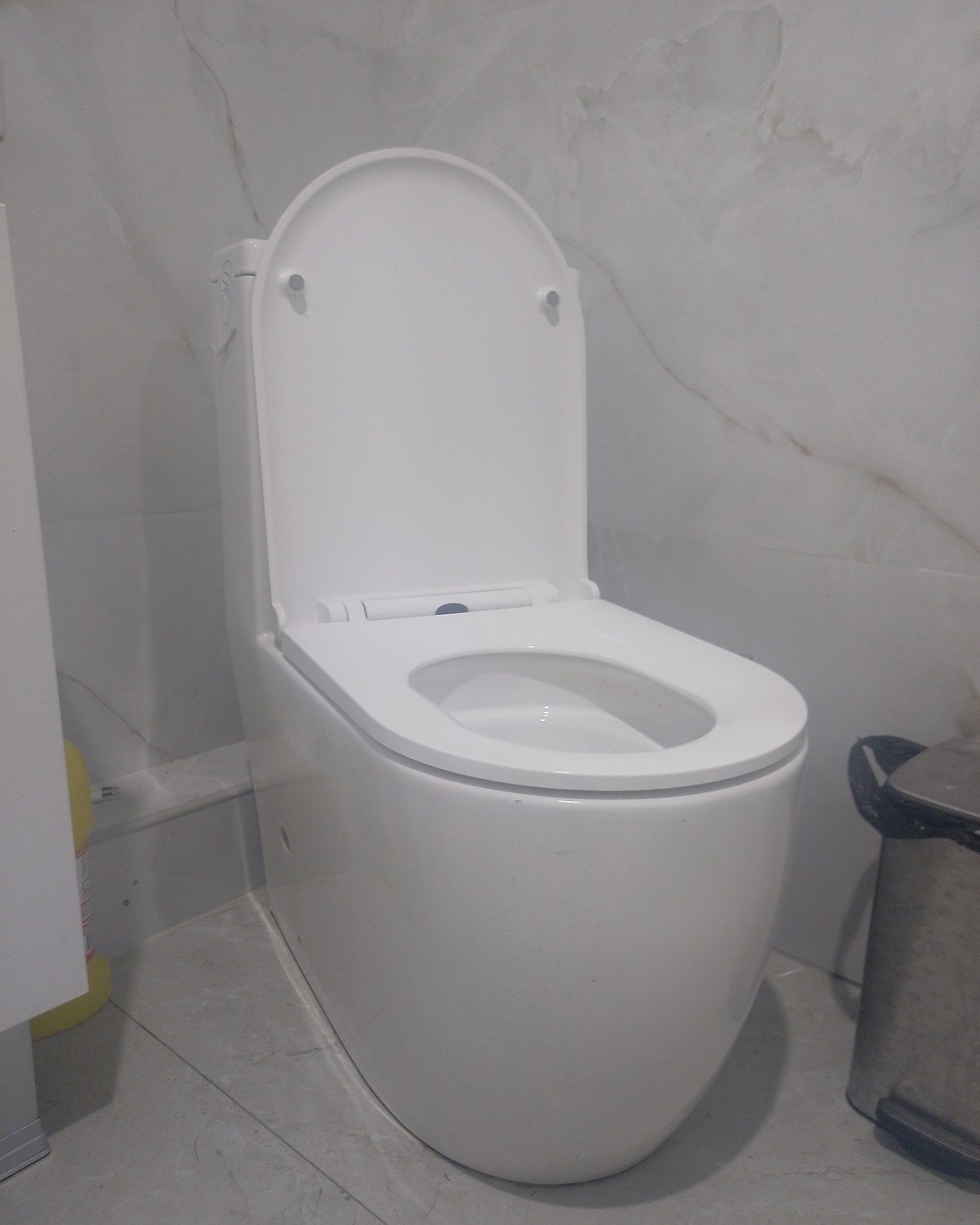
What Not to Do
- Don't use boiling water. Hot tap water is enough, and boiling water can crack a ceramic pan.
- Don't pour caustic drain cleaner in. The CIPHE warns these chemicals give off fumes and can burn skin and eyes, and if the toilet still needs plunging, that water splashes back.
- Don't push a coat hanger or garden cane down the pan. Wire scratches the glaze, and it tends to pack a wipe blockage tighter rather than pull it out.
- Don't try to clear a macerator toilet yourself. The CIPHE says these units only take toilet paper, and a blocked one needs a professional.
- Don't lift a heavy or deep manhole cover if you're not sure you can do it safely.
Flush or Don't Flush: the List
The CIPHE puts it plainly: toilet pipes are relatively small and easily blocked, and only the three Ps should go down them.
Fine to flush:
- Pee
- Poo
- Toilet paper, a sensible amount at a time
Bin it, every time:
- All wet wipes, including baby, make-up, cleaning and "moist toilet tissue" wipes, even if the packet says flushable or biodegradable
- Kitchen roll, paper towels and tissues
- Cotton buds and cotton wool pads
- Sanitary towels, tampons, applicators and their wrappers, plus incontinence pads
- Nappies and nappy liners
- Condoms and contact lenses
- Cooking fat, oil and gravy (let it cool and put it in the bin)
Wipes cause most of the trouble. Thames Water's October research found one in five people flush wipes at least some of the time, and in May it found that 42% of those who flush them do so because the packet says "flushable". Water UK's "Fine to Flush" mark ended in March 2024, and a private member's bill on "flushable" labelling has its second reading listed for 19 March 2027. The coming bans only cover wipes that contain plastic. Plastic-free wipes stay on sale, and they don't break up in a pipe the way toilet paper does.
Is It the Toilet or the Drain? a Quick Checklist
A plunger only reaches the pan and the first part of the pipe. Before you spend an hour plunging, check these:
- Only the toilet is slow, and everything else drains normally. The blockage is probably in the pan, the trap or the short pipe behind it. The steps above are worth trying.
- The bath, shower or a downstairs toilet fills or gurgles when you flush. That usually means the blockage is further down, in the soil stack or the underground drain. Our blocked soil stack page explains the signs.
- The outside inspection chamber is full. The blockage is further down the drain than that chamber. If the chamber nearest the house is empty, it's more likely between the toilet and the chamber.
- Your neighbours have the same problem. If you share a drain, the blockage may be in the shared section. Thames Water's advice is to ask your neighbours: if they're affected too, it may be the water company's pipe.
- Waste water is coming up through a shower tray, bath or outside gully. Treat it as urgent and follow our guide to sewage coming up through a drain or toilet.
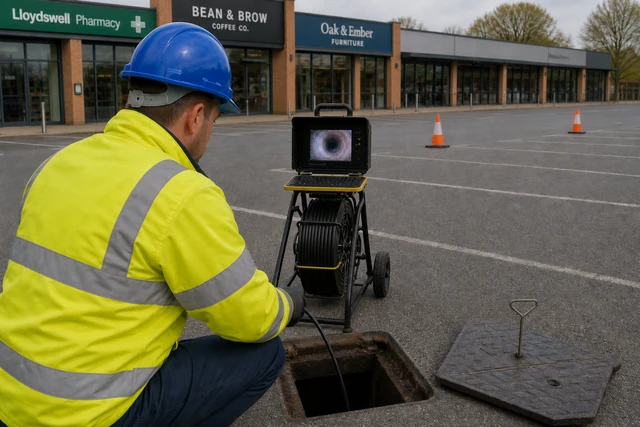
- It keeps coming back. Repeat blockages often point to a fault in the pipe, such as roots, a displaced joint or a dip that holds water. A camera survey can show what's there, and any repair depends on what it finds.
Christmas Guests and Blocked Toilets
A full house means more flushes, more paper in one go, and guests who don't know your drains are old clay pipes. Thames Water had cleared more than 23,000 wipe-related blockages by August this year. A few things help:
- Put a lidded pedal bin in every bathroom, including the downstairs toilet, so nobody has a reason to flush a wipe.
- If a baby is visiting, have nappy bags ready and say where they go.
- Buy a flanged plunger now, not on Boxing Day.
- Keep roast fat and gravy out of the sink and the toilet.
Who Is Responsible for a Blocked Toilet?
If you own your home, the toilet, the pipes inside and the drain serving only your property are yours. Since 1 October 2011, drains and sewers shared with neighbours or running beyond your boundary have been the water company's, which is Thames Water across most of our area. Our guide to who is responsible for blocked drains in Hertfordshire explains where the line usually falls. If you rent, the landlord normally arranges the repair, though a tenant can be charged for flushing wipes or nappies. See our guide to a blocked drain in a rented home.
When to Call a Drainage Engineer
Call us if plunging hasn't worked, another fitting is backing up, the outside chamber is full, it's your only toilet, or it keeps blocking. Our drain unblocking service covers blocked toilets day and night, and we clear them without lifting floors or removing the pan wherever possible. We'll agree a fixed price with you before we start, and if the problem is further down the drain, we'll tell you what we found.
Common Questions
Can I Use Bleach or Drain Unblocker on a Blocked Toilet?
It's best not to. Bleach won't break up wipes or paper, and caustic unblockers give off fumes and can burn skin and eyes, especially if you then have to plunge. Hot tap water and washing-up liquid are safer to try first.
Will a Blocked Toilet Clear by Itself?
A small toilet paper blockage sometimes softens and drains if you leave it for an hour or so. Wipes, cotton buds and sanitary products don't break down like paper, so those blockages usually need plunging or rodding.
Are Flushable or Plastic-Free Wipes Safe to Flush?
No. Water companies and the CIPHE say all wipes should go in the bin, even those labelled flushable or biodegradable. The plastic wet wipe bans in Wales and England don't cover plastic-free wipes, and they can still block pipes.
Why Does My Downstairs Toilet Bubble When
It usually means a blockage in the soil stack or underground drain that both toilets share, so water and air are pushed back up. Plunging won't reach it. Check the outside inspection chamber and call a drainage engineer.
Who Pays to Unblock a Toilet in a Rented Home?
The landlord normally arranges and pays, because they must keep the toilet and drains in working order. A tenant may be charged if they caused it, for example by flushing wipes, nappies or sanitary products.
Toilet Still Blocked?
Call us on 01923 959780 or get in touch online. A real person answers 24 hours a day, and if you ask for a call back, we'll ring you typically within a couple of hours. There's no call-out fee, and we'll agree a fixed price before any work starts.