Blocked Drains
Blocked Drain in a Rented Home: Who Fixes It, Who Pays and How Fast?

The short answer: In a rented home in England, the landlord is responsible for getting a blocked drain fixed, because the law makes them keep the drains, toilets, sinks and pipes in repair. That's true even if the tenancy agreement says nothing about it. The tenant only pays if their misuse caused the blockage, such as flushing wipes or nappies, and even then the landlord still arranges the repair. A blocked drain that leaves you without a working toilet, or brings waste water back into the home, should be treated as an emergency and sorted within 24 hours. If the blockage is in a sewer shared with the neighbours, it's usually the water company's job.
Why This Matters This Week
Rain is back. The Met Office forecast for London and the South East has rain spreading in tonight, heavy at times, a wet Tuesday morning and scattered heavy showers on Wednesday and Thursday. Heavy rain is when partly blocked drains give up, and when gullies next to the back door start to fill.
The rules for rented homes are also changing. In two weeks' time, social landlords will have fixed deadlines for a much wider range of hazards, including drainage. Private landlords are next in line. Around 4.7 million households rent privately in England, 19% of all households, and the government says 22% of privately rented homes failed the Decent Homes Standard in 2024.
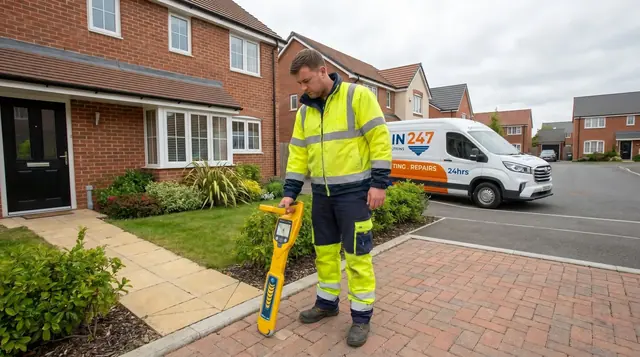
We regularly unblock drains in rented homes across Watford, Hertfordshire and London, called out by landlords, letting agents and tenants. This guide sets out who does what, in plain terms.
Who Is Responsible for a Blocked Drain in a Rented Home?
In most tenancies in England, the landlord is. Section 11 of the Landlord and Tenant Act 1985 puts two duties on the landlord that cover drains directly: to keep the structure and exterior in repair, including drains, gutters and external pipes, and to keep the installations for water and sanitation, including basins, sinks, baths and toilets, in repair and proper working order. Shelter is clear that the landlord is always responsible even if the tenancy agreement doesn't say so.
That responsibility stops where the property's own drain stops. Since 1 October 2011, the water company has been responsible for shared sewers and lateral drains that serve more than one property or run beyond the boundary. In most of our area that's Thames Water, even where Affinity Water supplies your drinking water. Our guide to who is responsible for blocked drains in Hertfordshire explains where that line usually falls.
| Where the blockage is | Who arranges the fix | Who usually pays |
|---|---|---|
| A sink, bath, shower or toilet inside the home | Landlord or letting agent | Landlord, unless the tenant's misuse caused it |
| The outside gully or inspection chamber serving only that property | Landlord or letting agent | Landlord, unless the tenant's misuse caused it |
| A drain or sewer shared with neighbours, or beyond the boundary | The water company (Thames Water in most of our area) | The water company |
| Shared drains in a block of flats | Often the freeholder or managing agent, depending on the lease | Often through the service charge, depending on the lease |
| A blockage the tenant caused, such as wipes, nappies or fat | Landlord still arranges it | The tenant may be charged |
A quick test helps. If the toilets, sinks and gully are all slow, ask a neighbour on the same run whether theirs are too. Thames Water's advice is that if your neighbours aren't affected, the problem is probably on your own section of pipe. If they are, it may be in the shared section.
When Does the Tenant Have to Pay?
Tenants have to use the home in a "tenant-like manner", which means looking after it and not damaging it. If a tenant blocks a toilet with wipes, nappies or sanitary products, or fills the kitchen drain with fat, Shelter says they may have to pay for the damage, even though the landlord still has to fix it.
In practice, it isn't always obvious who caused a blockage. These are the typical patterns we see in rented homes:
- Wipes and sanitary products in the toilet or the first manhole. This is usually down to what's being flushed.
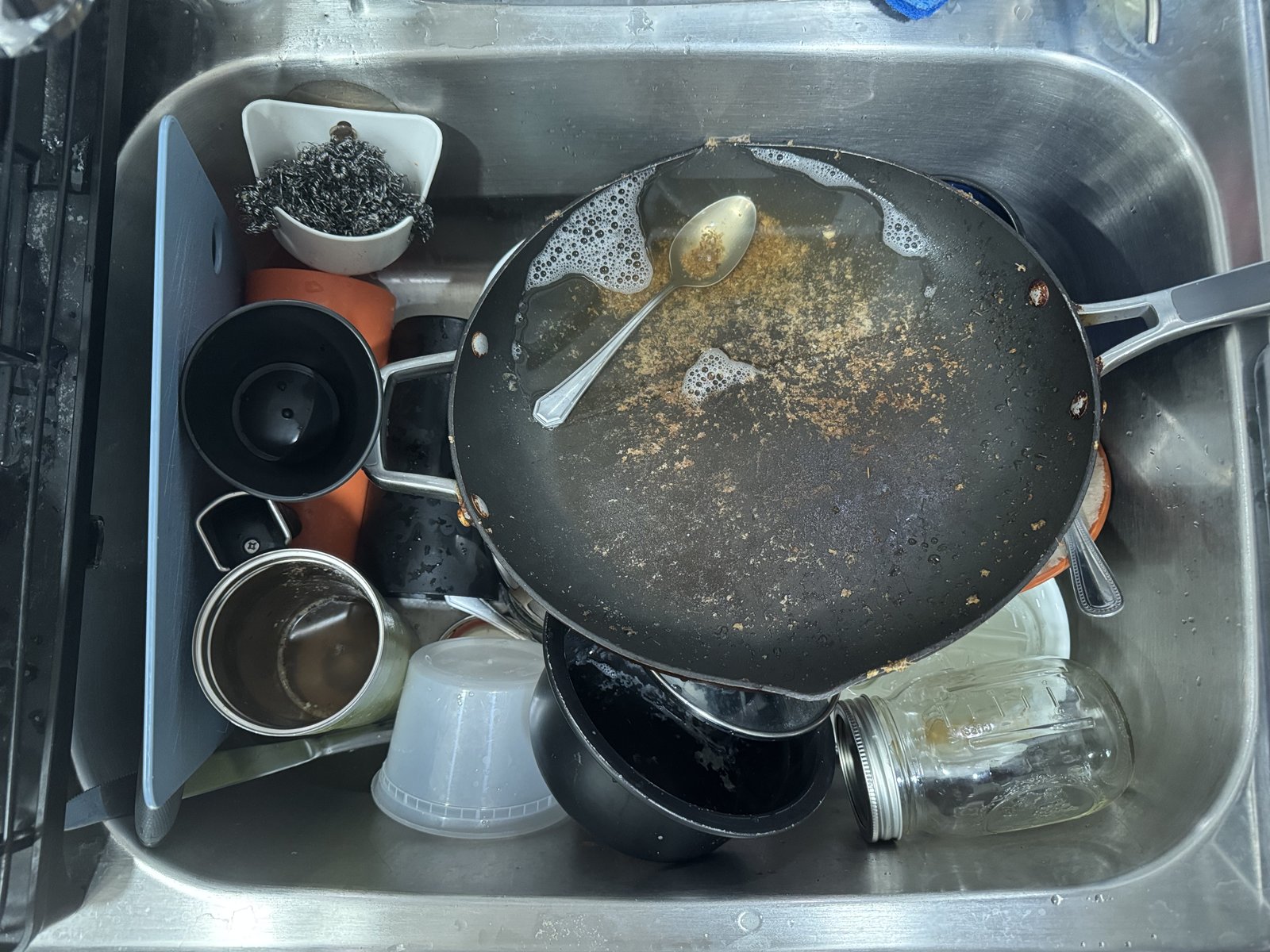
- Fat and food waste in the kitchen drain, often worse in shared houses where several people cook. Our guide to keeping the kitchen sink clear from Halloween to Christmas covers this.
- Tree roots, displaced joints, cracked clay pipes or a sagging section that holds water. These are faults in the pipe, not tenant damage, and they cause the same blockage to come back again and again.
- Old pitch fibre pipes that have deformed with age, still found under some 1950s to 1970s homes in Hertfordshire.
If the same drain keeps blocking, that points to a fault in the pipe rather than careless use. A CCTV drain survey can show what's inside the pipe and its condition, which is fairer to both sides than guessing. Whatever the repair turns out to be depends on what the survey finds. Landlords who want to recharge a tenant should keep a note of what was removed from the drain and, where there was a survey, the footage.
How Quickly Should a Landlord Fix a Blocked Drain?
For private tenancies, the law says repairs must be done in a reasonable time, but it doesn't say how long that is. It depends on how serious the problem is and how vulnerable the people living there are. Shelter lists blocked drains alongside unsafe wiring and leaking pipes as repairs that should be treated as an emergency, and says it's reasonable to ask for them to be fixed within 24 hours.
As a rough guide from the jobs we attend:
- Same day: the only toilet won't flush, sewage or waste water is coming back up inside, or a gully next to the house is overflowing towards the walls. If sewage has come into the home, read our guide on sewage coming up through a drain or toilet first.
- Within a day or two: a second toilet is blocked, or a shower or bath is draining very slowly.
- Within the week: a slow basin or a sink that gurgles but still empties.
Councils also have more teeth. Since 22 June 2026 they can fine private landlords up to £7,000 for failing to deal with the most serious category of hazard, and the government estimates around 10% of privately rented homes have at least one.
Awaab's Law and Drains: What Changes for Landlords
Awaab's Law sets fixed deadlines for landlords to investigate and fix hazards. It has applied to social landlords (councils and housing associations) since 27 October 2025, for damp and mould and for emergency hazards.
From 30 November 2026, phase 2 widens it to more hazards, including "domestic hygiene". Under the updated hazard rating system that came in on 23 June 2026, that includes inadequate sanitation and drainage. According to the government's phase 2 guidance and its consultation, social landlords must:
- investigate and make safe an emergency hazard as soon as practicable, and within 24 hours;
- investigate a significant hazard within 10 working days of becoming aware of it;
- give the tenant a written summary of what they found within 3 working days;
- make the home safe within 5 working days of the investigation ending.
For private landlords, nothing changes yet. The government is consulting until 11.59pm on 18 December 2026 on how Awaab's Law should apply to private tenancies. It says the earliest it could start is 2027, and it's asking whether private landlords should face the same 24-hour deadline for emergencies. Until then, the "reasonable time" rule above still applies.
What does that mean in practice? Landlords and agents who already respond quickly and keep records won't have much to change. The investigation has to be done by someone with the right skills, and the tenant gets a written summary, so a clear note of what was found, and survey footage where a camera was used, is exactly the kind of record worth keeping.
What Should a Tenant Do When a Drain Blocks?
- Stop using the blocked fittings. Don't keep flushing a toilet that's rising, and don't run the washing machine or dishwasher if the kitchen drain is slow.
- Work out how far it goes. One slow sink is usually a local blockage. Several fittings backing up at once, or water in the outside gully, points to the main drain.
- Try the simple, safe things. A plunger on a sink or toilet is fine. Avoid strong chemical drain cleaners on standing water, and don't lift heavy manhole covers yourself.
- Ask a neighbour. If they have the same problem, report it to the water company as well as your landlord.
- Report it in writing. Email or message your landlord or agent with photos, the date and which fittings are affected. Shelter recommends reporting repairs in writing.
- Agree who's paying before you book anyone. If you call a drainage company yourself without agreement, your landlord may not refund you. If you can't reach anyone and sewage is coming into the home, say that clearly in your message.
A Landlord's Checklist for Drains Before the Winter Rain
- Give tenants one 24-hour number for drain problems, and tell them what counts as an emergency.
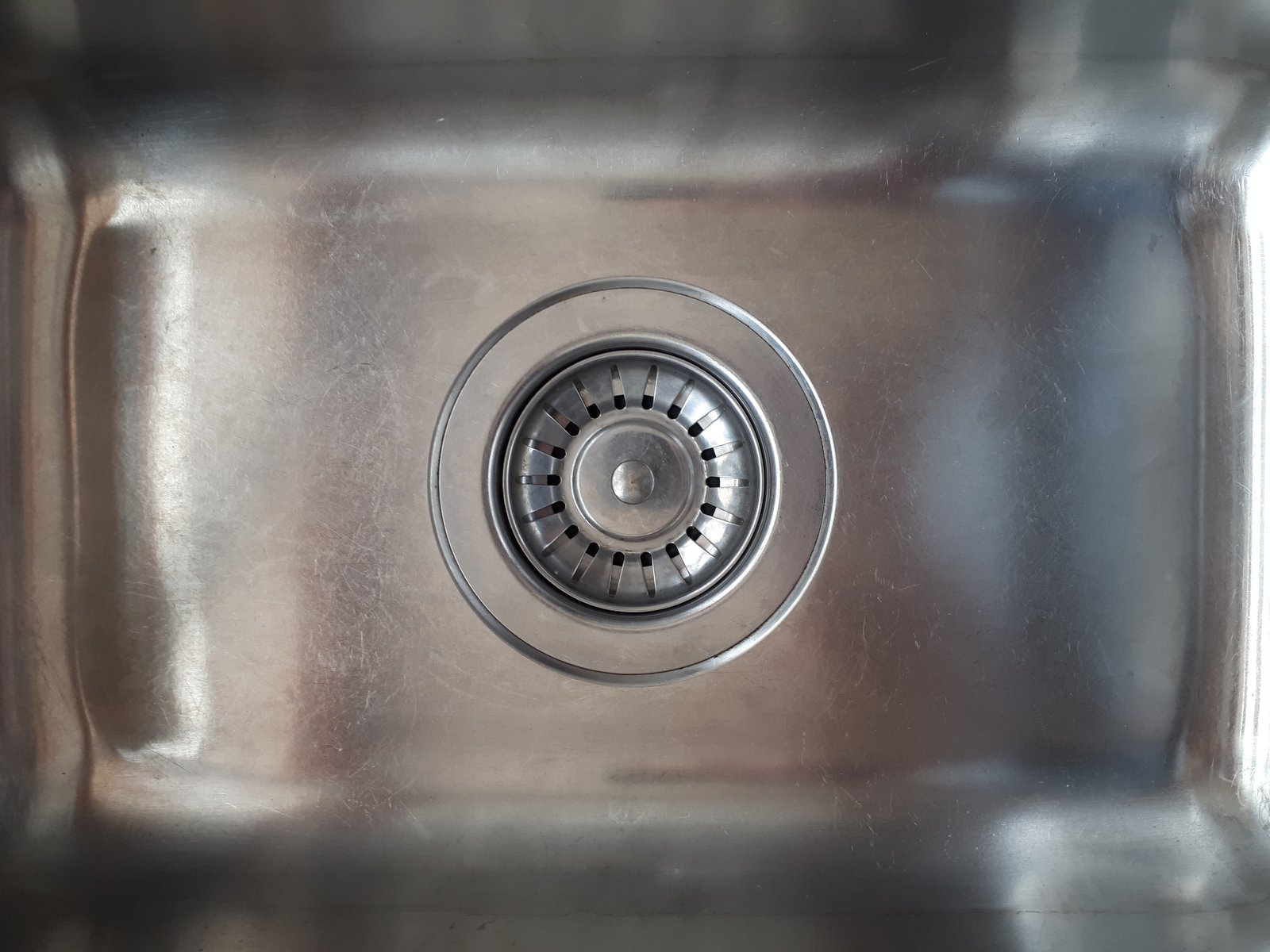
- Fit a sink strainer in the kitchen and add a short "what not to flush" note to the move-in pack: only toilet paper goes down the toilet, and fat goes in the bin once it's cooled.
- Lift and check the outside gullies and inspection chambers at each change of tenancy and before winter. A gully cleared in autumn is far less trouble than one overflowing in a downpour.
- Survey older drains. Clay pipes, pitch fibre or a history of repeat blockages are good reasons for a CCTV survey, and the report gives you a record of the drain's condition at the start of a tenancy.
- Expect more wear in shared houses. More people using one kitchen and one or two bathrooms means more fat, more wipes and more flow through the same pipes.
- Keep a log. When the problem was reported, when someone attended, what they found and what was done.
When to Call a Drainage Engineer
Call us if the only toilet is out of action, waste water is coming back up, a gully is overflowing, or the same drain has blocked more than once. Our drain unblocking service works for landlords, letting agents and tenants. We clear most outdoor blockages on the first visit, we agree a fixed price before we start, and you get one invoice with a clear note of what we found. If a drain keeps blocking, a CCTV survey can show why, and any repair depends on what the survey shows.
Common Questions
Is a Blocked Drain the Landlord's or the Tenant's Responsibility?
The landlord's, in most tenancies. Section 11 of the Landlord and Tenant Act 1985 makes landlords keep drains, toilets, sinks and pipes in repair, even if the tenancy agreement doesn't mention it. A tenant only pays if they caused the blockage through misuse, and the landlord still arranges the repair.
Can My Landlord Charge Me for a Blocked Toilet?
Only if you, your household or your guests caused it, for example by flushing wipes, nappies or sanitary products. Shelter gives exactly that example. If the blockage was caused by a fault in the pipe, such as roots or a broken joint, it's the landlord's cost.
How Long Does a Landlord Have to Fix a Blocked Drain?
For private tenancies, the law says a reasonable time, depending on how serious the problem is. Shelter treats blocked drains as an emergency repair and says it's reasonable to ask for them to be fixed within 24 hours, especially if you have no working toilet or waste water is coming back up.
Does Awaab's Law Apply to Private Landlords Yet?
No. It applies to social landlords, and from 30 November 2026 it covers sanitation and drainage hazards in s
Who Fixes a Blocked Drain Shared with the Neighbours?
Usually the water company. Since October 2011, shared sewers and lateral drains serving more than one property have been the water company's responsibility, which is Thames Water across most of London and Hertfordshire. The pipe from the house to that shared section is still the property owner's.
Blocked Drain at a Rented Property?
Whether you're the landlord, the letting agent or the tenant, call us on 01923 959780 or get in touch online. A real person answers 24 hours a day, and if you ask for a call back, we'll ring you typically within a couple of hours. There's no call-out fee, and we'll agree a fixed price before any work starts.