Blocked Drains
Pumpkins, Roasts and Cold Pipes: How to Keep Your Kitchen Sink Clear from Halloween to Christmas
By Michael Lee, Drainage Manager at Drain 247 · Published 28 October 2026 · Family-run in Watford since 1986
The short answer: the eight weeks from Halloween to Christmas are when kitchen sinks are most likely to block. Pumpkin pulp, roast-dinner fat, gravy and coffee grounds all go down the plughole just as colder weather chills the waste pipe, so fat sets faster and catches everything that follows. Scrape food and fat into the bin or food caddy, fit a sink strainer, and deal with a slow sink before it stops altogether.
Key takeaways
- Pumpkin pulp and seeds don't break down in water. Put them in your food waste caddy (or cook them), never down the sink or toilet.
- Cooking fat poured away with hot water and washing-up liquid can still set hard in cold pipes (Water UK). Let it cool, then bin it.
- In a Thames Water survey, more than 40% of people had poured meat juices down the sink and 39% gravy (Thames Water).
- Boiling water and bleach only move fat further down the pipe.
- Bin every wet wipe, including "flushable" and plastic-free ones. England's plastic wet wipes ban doesn't start until 19 May 2027.
- A slow sink plus a brimming gully outside the back door usually means fat has built up in the pipe between them. That's a job for jetting, not more plunging.
Why Do Kitchen Sinks Block More Between Halloween and Christmas?
Three things happen at once. We cook more, and more of it is fatty: roasts, gravy, sausages, mince pies. We host, so there are more people using the kitchen and the bathroom. And the weather turns cold, which matters more than most people realise.
Fat that's liquid in a hot roasting tin doesn't stay liquid for long in a cold pipe. Water UK warns that cooking fats poured down the sink, even with hot water and washing-up liquid, can soon set hard in cold pipes, where they mix with wipes and food scraps. At the time of writing, the Met Office's long-range outlook for early November points to high pressure, fog patches and some overnight frost where skies are clear and winds light. Kitchen waste pipes often run along an outside wall before they reach the gully, so a cold snap chills exactly the stretch of pipe where fat likes to settle.
The habits are common. In research for Thames Water, more than 40% of people had poured meat juices down the sink, 39% gravy and 18% animal fats such as lard. Its festive survey the previous winter found that 46% of respondents had experienced a blocked sink. Thames Water says blockages cause over 60% of sewer floods, and that a blockage in your own home could leave you with a plumbing bill of £200 or more.
Halloween Week: What to Do with Pumpkin Guts
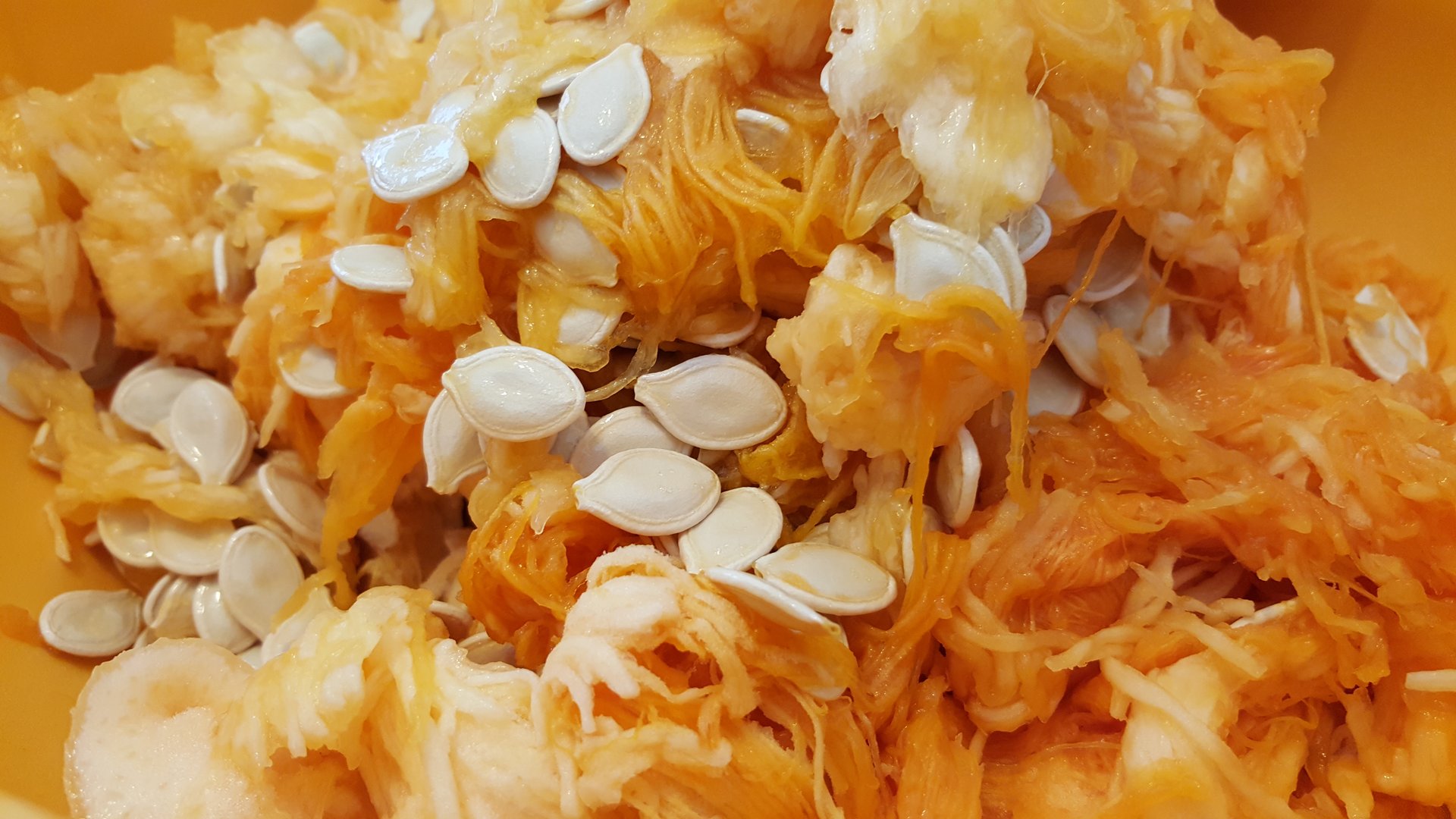
Halloween falls on Saturday 31 October this year, and this is the week the carving knives come out. Pumpkin pulp is stringy and fibrous, and the seeds are hard and slippery. Neither breaks down in water. Rinse a bowl of it down the plughole and the strands wrap around the trap, the seeds settle in the bend, and the next lot of greasy washing-up sticks to the lot.
Keep it out of the sink altogether:
- Scoop onto newspaper or into a bowl, not straight into the sink.
- Wipe tools and bowls with kitchen roll before washing them up.
- Put the pulp in your food waste caddy. Since 31 March 2026, councils in England have had to collect food waste weekly and free of charge, with a kitchen caddy and an outdoor bin (some councils have a later start date under transitional arrangements). In Watford, it goes in the brown outdoor food bin.
- Or eat it. Hubbub points out that carving pumpkins are edible, and the seeds roast well with a little salt.
- Don't flush it. The toilet is no better than the sink for pulp and seeds.
November: Cold Nights, Sunday Roasts and Fat That Sets in the Pipe
Once the clocks have gone back, roast dinners and stews come back on the menu, and that's when the fat problem builds. It rarely shows up as one dramatic blockage. It's a slow narrowing: a thin layer of grease coats the inside of the waste pipe, food scraps and coffee grounds stick to it, and each cold night lets it harden a bit more.
A call we get a lot every November and December goes like this. The kitchen sink has been "a bit slow" for weeks. Then, the day after a big family roast, it stops draining altogether. When we lift the grid on the gully outside the back door, the water is grey and greasy, with a crust of white fat on the surface and around the pipe. The roasting tin didn't cause the blockage on its own. It was simply the last straw on a pipe that had been narrowing since the summer.
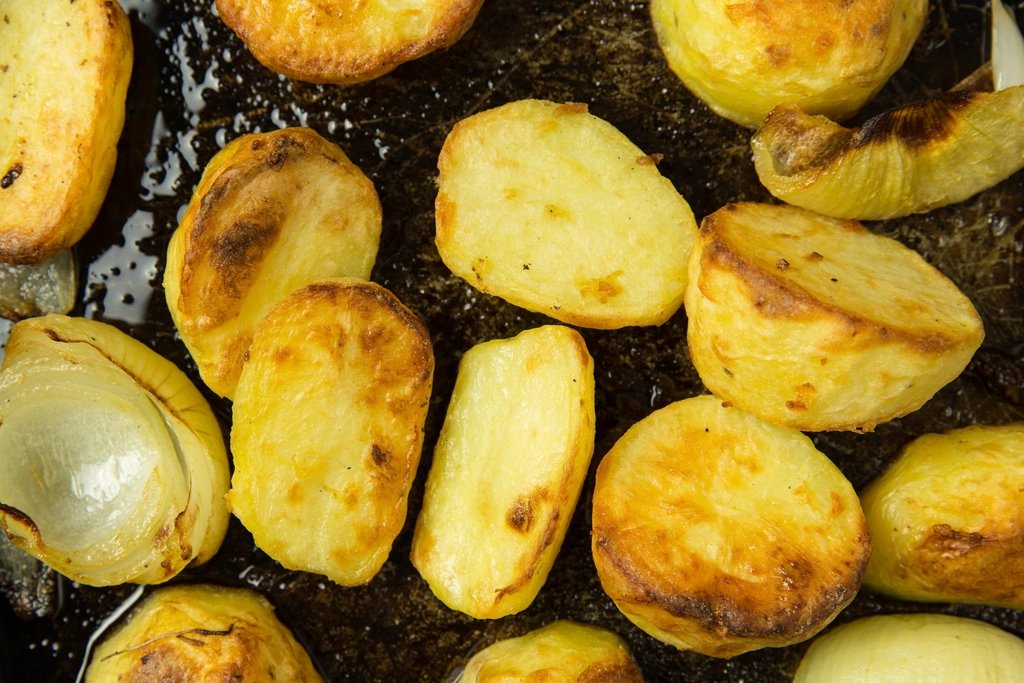
Here's how to deal with the roasting tin properly:
- Let the fat cool in the tin, or pour it into an old jar or tin can.
- Once it has set, scrape it into the bin. Thames Water also suggests storing surplus oil in a container to take to your local recycling centre.
- Wipe the tin with kitchen roll before it goes in the sink or dishwasher.
- Keep gravy, cream, custard and milk out of the sink too. They all contain fat.
December: Christmas Cooking and a House Full of Guests
Christmas puts the most strain on a kitchen drain in the whole year: a turkey or a large joint, goose fat for the potatoes, pans of gravy, and a dishwasher running twice a day. If the pipe has been narrowing through November, this is when it gives up, often on Christmas Eve or Boxing Day.
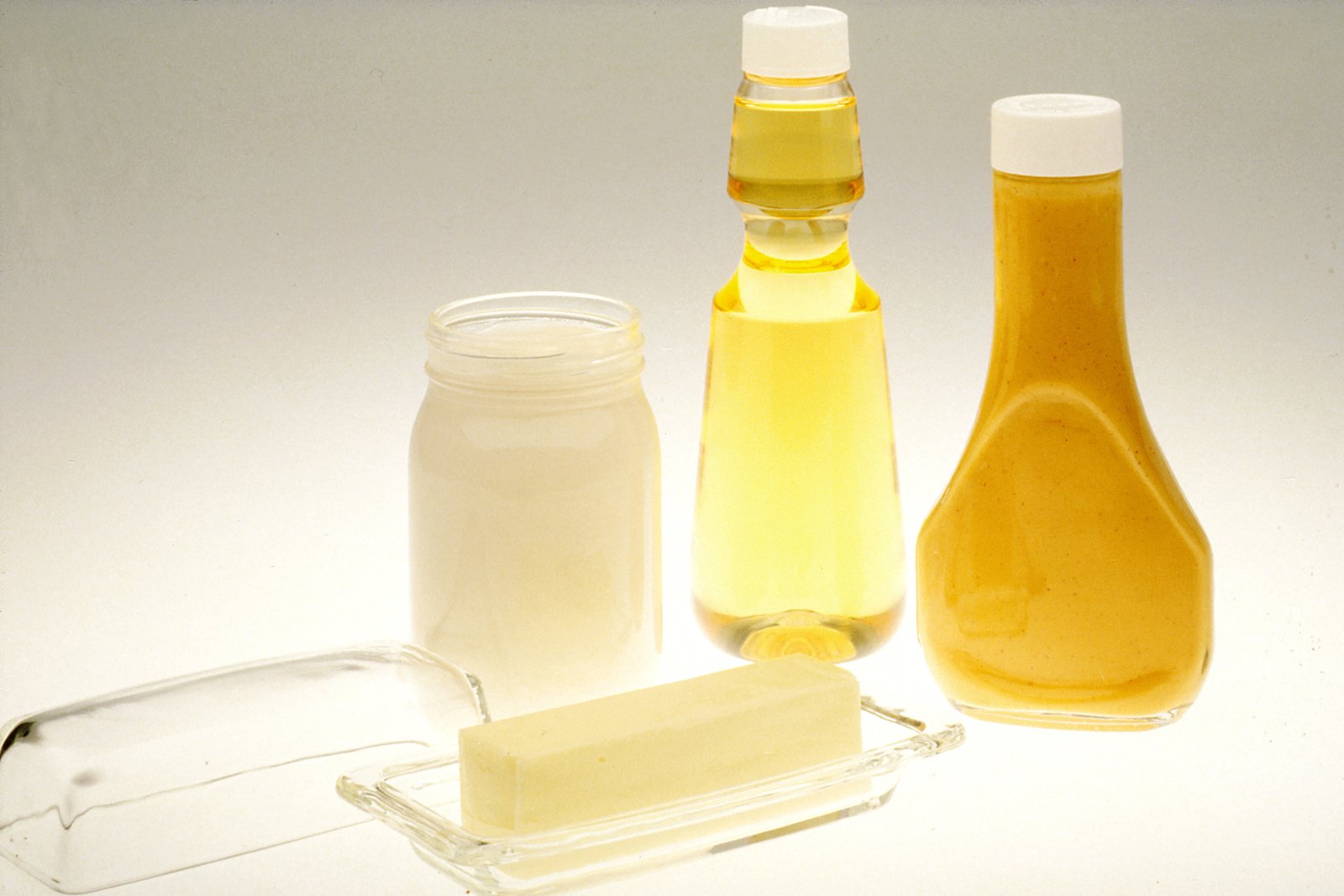
Keep a "fat jar" by the hob from now until New Year, and empty it into the bin when it's full. Coffee grounds from extra cafetières belong in the caddy or the compost, not the sink; Thames Water specifically warns against rinsing coffee grounds away, even with plenty of soapy water.
Guests affect the bathroom as well. Thames Water's latest research, published for Unblocktober on 21 October, found that 31% of parents with children under four flush wet wipes, and two-thirds of those parents believe a wipe labelled "flushable" is fine to flush. Wipes are what fat clings to. Put a lidded bin in every bathroom while family are staying. The government's ban on wet wipes containing plastic comes into force in England on 19 May 2027, but plastic-free wipes still don't break down like toilet paper, so they still go in the bin. We've collected more figures in what Brits are flushing.
A Simple Routine to Keep Your Kitchen Sink Clear This Winter
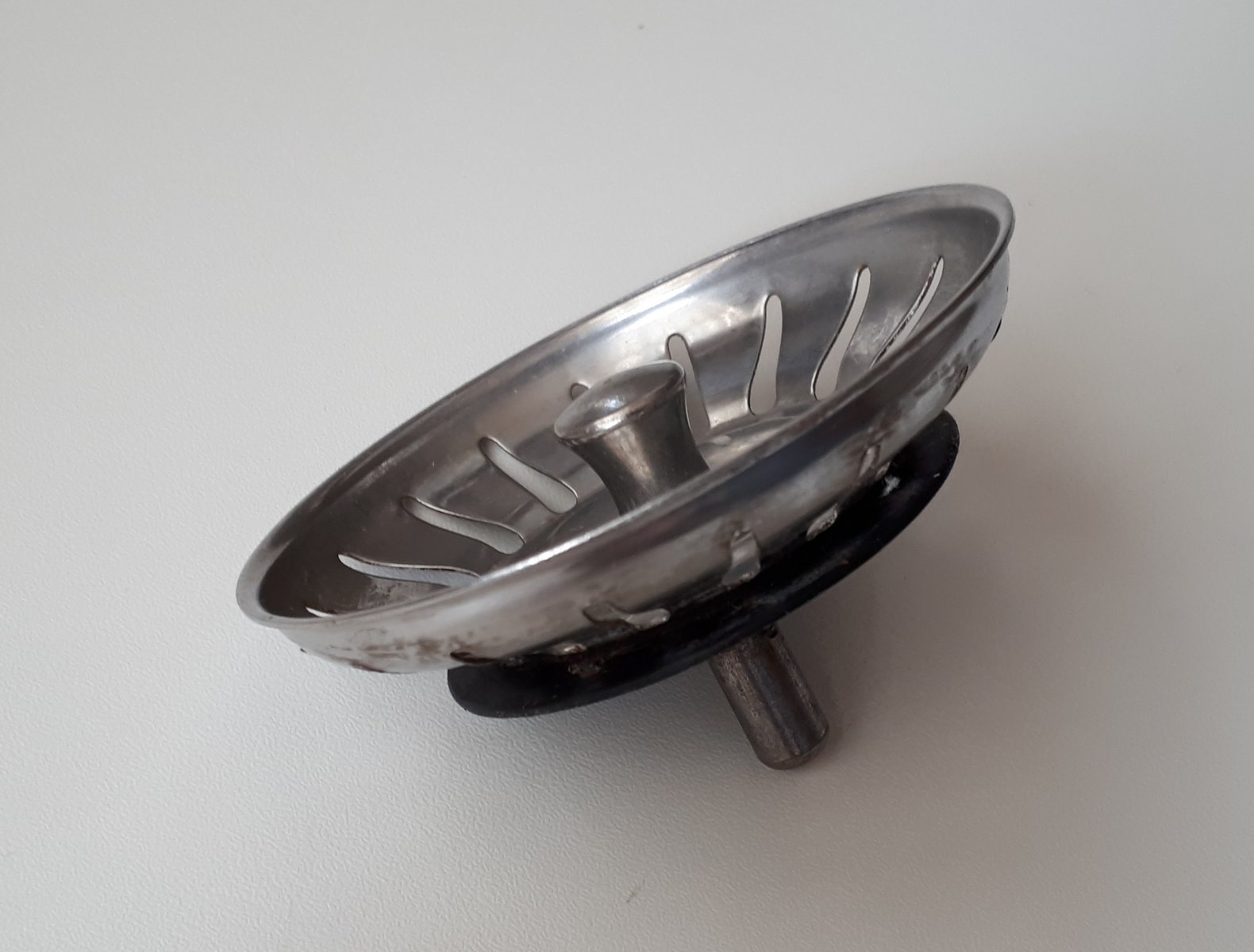
- Fit a basket strainer in every kitchen plughole and empty it into the caddy.
- Scrape plates and pans into the caddy or bin before washing up.
- Collect fat in a jar, let it set, then bin it.
- Never pour liquid foods away: gravy, milk, cream, soup and custard all leave fat behind.
- Skip the boiling kettle and bleach. Thames Water says they only move the problem further down the pipes.
- Check the gully outside once a month: lift the grid, scoop out leaves and any fat crust (wear gloves), and make sure water runs away freely.
Kitchen Sink Already Slow? What You Can Safely Try
Start with the Trap Under the Sink
Put a bowl underneath, unscrew the bottle trap or U-bend by hand, and clear out what's inside. On a sink that has been slow since Halloween, it's often a plug of pulp, seeds and grease. Refit it hand-tight and run the cold tap to check for leaks. A sink plunger is worth a try too. If you have a double sink, hold a damp cloth over the second plughole so the pressure goes where you want it.
What Not to Do
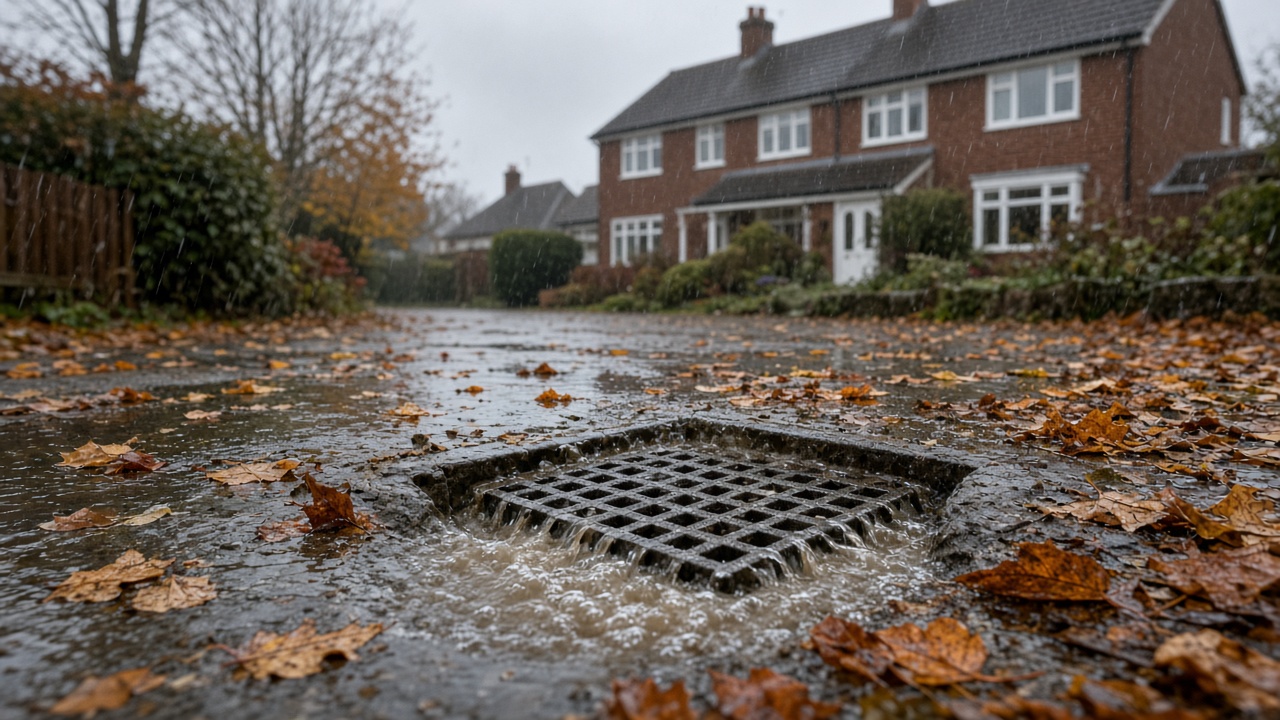
Don't pour in drain chemicals if the sink is full of standing water. You'll have a basin of caustic water to deal with, and anyone who opens the trap afterwards could be splashed. Don't keep plunging hard if water is backing up in the gully outside either. The blockage is further along, and you're only pushing water out the other end.
When It's Beyond the Sink
Call a drainage engineer if:
- the sink still won't drain after you've cleared the trap
- the gully outside is full or overflowing with grey, greasy water
- other fittings gurgle when the sink empties (see slow drains and gurgling sinks)
- it keeps coming back every few weeks.
Rods will usually punch a hole through a fat blockage, but the grease left on the pipe wall soon catches the next lot of waste. For fat, we use high-pressure drain jetting to scour the pipe clean rather than poke a hole through it. Our domestic drain unblocking starts from £90, with no call-out fee and a fixed price agreed before we set off.
If the blockage is in a sewer you share with neighbours, or beyond your boundary, it may be the water company's to clear rather than yours. We explained how that works in our guide to blocked drains after heavy rain.
A Note for Landlords and Small Businesses
If you let a property, a short note in the kitchen about fat and a strainer in the plughole costs almost nothing and can save a Boxing Day call-out. Small cafés and takeaways face a bigger version of the same problem, and grease management is a legal matter there; our article on fatbergs and hospitality waste covers grease traps and the rules.
Common Questions
Can You Put Pumpkin Down the Sink?
No. Pumpkin pulp is stringy and the seeds are hard, and neither breaks down in water. They catch in the trap and the bend and bind with grease. Put them in your food waste caddy, compost them or cook them.
Is It OK to Pour Fat Down the Sink with Hot Water and Washing-Up Liquid?
No. The fat cools and sets further along the pipe, especially in cold weather. Let it cool, scrape it into the bin, and wipe pans with kitchen roll before washing them.
Will Boiling Water Unblock a Kitchen Sink?
Not a fat blockage. Thames Water says boiling water and bleach only move the problem further down the pipe, where it sets again. Clear the trap under the sink first, and if that doesn't work, the pipe needs jetting.
Why Is the Drain Outside My Kitchen Door Full of Greasy Water?
The kitchen waste pipe usually empties into a gully outside. If the gully or the pipe beyond it is blocked with fat, food scraps or leaves, water backs up there first. Clear the grid and pot if you can, and call an engineer if it refills.
Are Flushable Wipes Safe to Flush?
Thames Water says to bin all wet wipes, including those labelled flushable, biodegradable or plastic-free. England's ban on wipes containing plastic starts on 19 May 2027, but any wipe can still block a drain.
Sink Still Not Draining?
We're a family-run firm and we've been clearing kitchen drains across Watford, Hertfordshire and North West London since 1986. A real person answers the phone 24 hours a day, including over Christmas. If your sink is slow, the gully outside is brimming, or you'd just like a drain jetted before the family arrives, call us on 0208 387 5591.