Fatbergs are not just a problem for restaurants and city sewers. They start in ordinary kitchens and bathrooms, and the first pipe they block is often the one leaving your own home. Cooking fat poured down the sink and wipes flushed down the toilet bind together into a hard mass that narrows the drain until it stops flowing. In this guide, the Drain 247 team explains how that happens, the warning signs to look for in your home, and the simple habits that prevent it.
How Big Is the Problem?
Water UK, which represents the UK’s water and sewerage companies, says that around 300,000 sewer blockages happen in the UK every year. They cost about £200 million a year to clean up, and more than 3,000 homes are flooded by blockages every year.
Closer to home, Thames Water, which runs the sewers serving London and much of Hertfordshire, clears around 75,000 blockages from its network every year and removes 3.8 billion flushed wet wipes, at a cost of £18 million. It says fats, oils and grease alone account for 28% of the blockages on its network.
The biggest fatbergs make the news. In 2017, a 250-metre, 130-tonne fatberg was found under Whitechapel, and in October 2025 Thames Water removed a 100-tonne, 125-metre fatberg from a sewer in Feltham, West London. But most fatbergs never make headlines. They are small, local and sitting in a domestic drain or the shared sewer at the end of the road.
How a Fatberg Forms in Your Pipes
Fats, oils and grease (often called FOG) are liquid when hot but set as they cool. Pour them down the sink and they cling to the inside of the waste pipe and the drain beyond it. Over time, the fat reacts with minerals in the water and with detergents and hardens into a soap-like layer. That layer catches anything that passes: food scraps, hair and, above all, wipes.
Wipes are the other half of the problem. Water UK says 94% of blockages are caused by wet wipes, and in a 2025 survey for Thames Water a quarter of people thought wipes were safe to flush. Wipes do not break down like toilet paper, so they snag on the fat and build the blockage layer by layer.
Warning Signs in Your Home
-
The kitchen sink drains slowly or gurgles, even after you have cleaned the trap underneath.
-
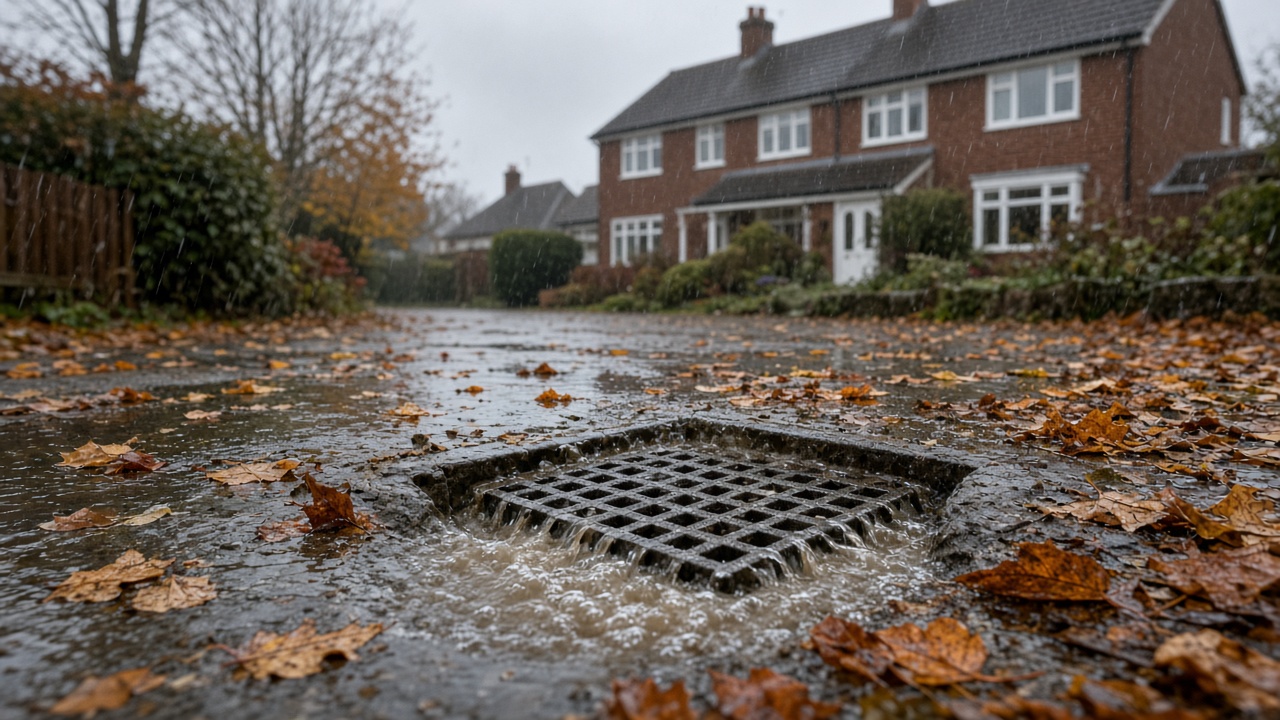
A greasy or sewage smell from the sink, the outside gully or the manhole.
-
The toilet water rises higher than usual when you flush.
-
Water backing up in the outside gully when the washing machine or dishwasher empties.
-
The same drain blocking again within weeks of being cleared.
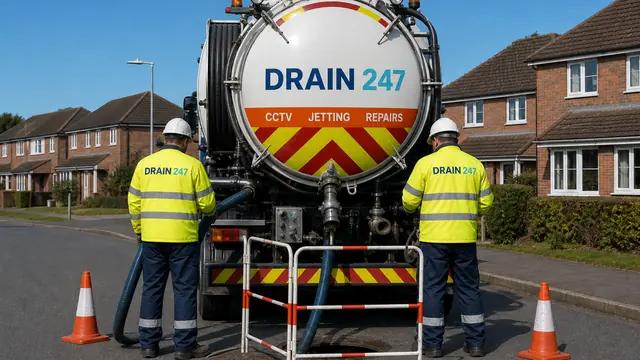
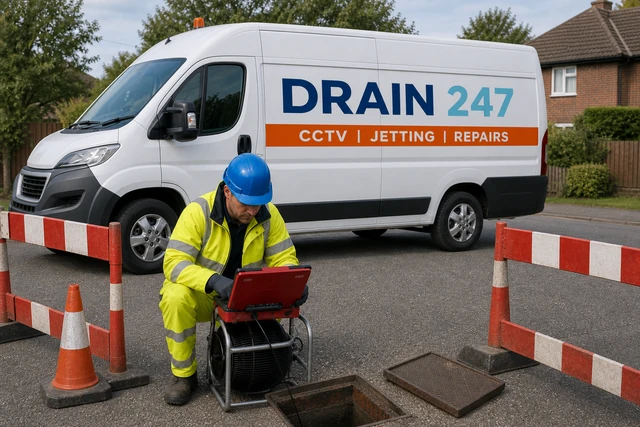
If you notice any of these, deal with it early. A partial fat blockage can usually be cleared with high-pressure drain jetting. Hardened fat and scale may need descaling and fat removal. If it keeps coming back, a CCTV drain survey will show whether there is a dip, crack or root intrusion where the fat is collecting.
How to Keep Fat and Wipes Out of Your Drains
-
Bin the fat. Let roasting and frying fat cool, then scrape it into the bin or a sealed container. Wipe greasy pans with kitchen roll before washing up.
-
Do not trust hot water and washing-up liquid. They carry the grease further along the pipe before it sets, which moves the blockage somewhere harder to reach.
-
Use a sink strainer to catch food scraps, coffee grounds and rice.
-
Only flush the three Ps: pee, poo and toilet paper. Wipes, cotton pads, sanitary products, nappies and kitchen roll all go in the bin, even when the packaging says “flushable”.
-
Put a lidded bin in every bathroom so there is always somewhere else for wipes to go.
-
Watch the busy times. Christmas, Sunday roasts and parties produce far more fat than an ordinary week.
What the Law Says
Under section 111 of the Water Industry Act 1991, it is an offence to put anything into a public sewer or drain that is likely to interfere with the free flow of its contents. In practice, most household blockages are cleared without any action, but the point is that sewers are only designed to carry wastewater, human waste and toilet paper.
Blockages also harm rivers. In one case reported by the Environment Agency, a sewer in Chislehurst became blocked with tree roots, fat, oil and grease, sending sewage into the River Shuttle; Thames Water paid an £80,000 civil sanction.
Who pays to clear a blockage depends on where it is. The drains serving only your home are usually yours up to the property boundary, and shared sewers beyond it are usually the water company’s. Our guide drainage problem: who is responsible? explains how to tell the difference.
Frequently Asked Questions
Can I Pour Cooking Oil Down the Sink If I Run the Hot Tap?
No. Hot water only keeps the oil liquid for a short distance. It sets further down the pipe, often in the outside drain, where it is harder and more expensive to clear.
Are “Flushable” Wipes Safe to Flush?
They are best kept out of the toilet. Wipes do not break down like toilet paper and are the main ingredient in sewer blockages. Bin them.
Will a Chemical Drain Cleaner Shift a Fat Blockage?
Rarely. Chemical cleaners may open a small channel through soft grease but leave most of it behind, and they can damage older pipes. Jetting removes the fat from the pipe wall.
How Much Does It Cost to Clear a Fat Blockage?
Our published rate for high-pressure jetting is £120 an hour, with no call-out fee. Manual clearance is £90 an hour and mechanical cutting is £165 an hour. See our drain unblocking page for details.
Sink or Drain Slowing Down?
Drain 247 clears fat and wipe blockages in homes across Watford, St Albans, Harrow and the rest of our areas served, 24 hours a day. Book a visit or call 0208 387 5591.
More on keeping pipes clear: fat, wipes and drain care advice.