Most household drain problems build up slowly and then show themselves at the worst possible moment: a sink that will not empty before guests arrive, a toilet that backs up on a Sunday, or an outside drain overflowing in a downpour. The good news is that the five problems we see most often in homes across Watford, Hertfordshire and North West London are also the easiest to prevent. Here is what causes each one, what you can do yourself, and when it is time to call us.
1. Kitchen Sink Blockages from Fat, Oil and Grease
Cooking fat, oil and grease poured down the sink cool and harden inside the pipe, then trap food scraps until the water stops draining. It is a bigger problem than most people think: Thames Water says fats, oils and grease cause 28% (more than 20,000) of the blockages on its network every year.
How to prevent it:
-
Let fat from roasting tins and frying pans cool, then scrape it into the bin, not the sink.
-
Wipe greasy plates and pans with kitchen roll before washing up.
-
Use a sink strainer to catch food scraps.
-
Do not rely on hot water and washing-up liquid. They only move the grease further down the pipe before it sets.
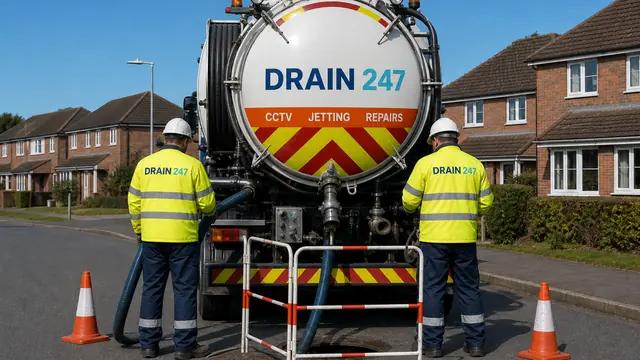
When to call us: if the sink drains slowly, gurgles or smells even after you have cleared the trap under it, the grease is further down the pipe. We clear it with high-pressure drain jetting, and heavy build-up can be removed with descaling and fat removal.
2. Leaves, Soil and Debris in Outside Drains
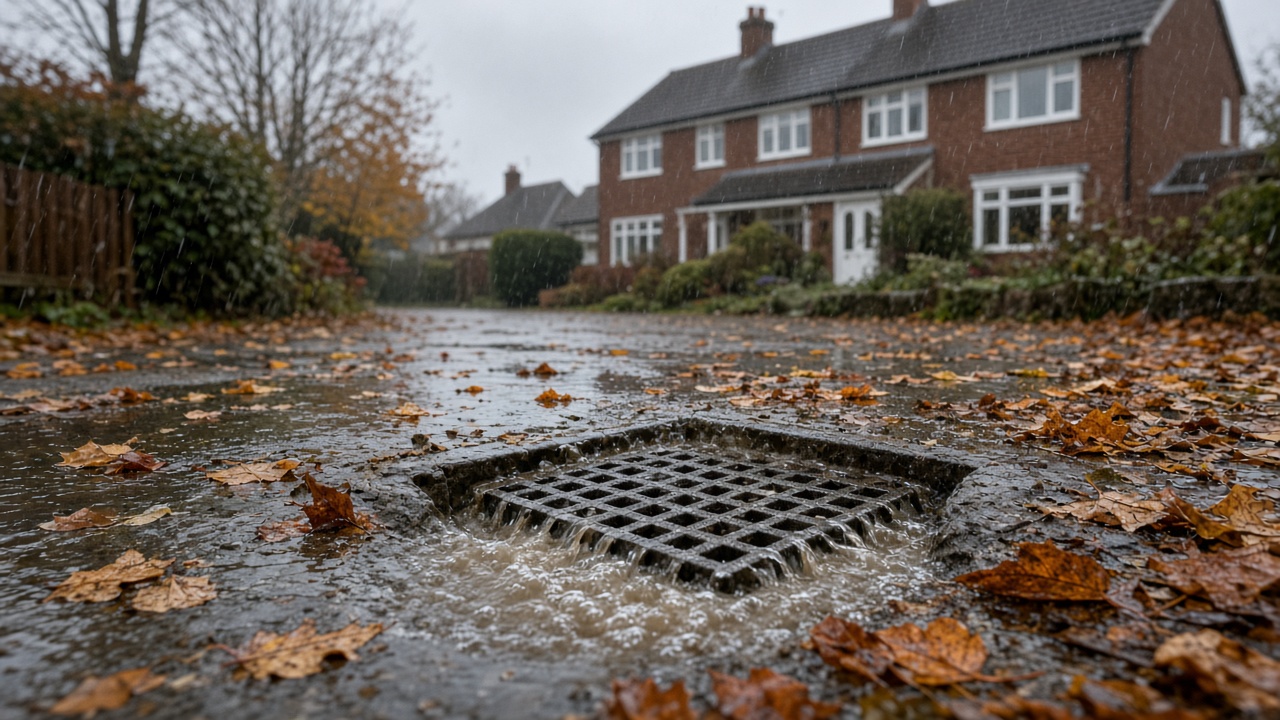
Gullies and drains on patios, driveways and paths collect leaves, moss, soil and litter. Once the grid is covered or the trap fills, rainwater has nowhere to go and starts pooling against the house.
How to prevent it:
-
Check outside drain grids every few weeks in autumn and after storms, and lift out leaves and silt.
-
Fit a grid or leaf guard over open gullies and gutter outlets.
-
Sweep patios and driveways before heavy rain is forecast.
When to call us: if the water stays high in the gully after you have cleared the top, the blockage is in the pipe beyond it. Our guide to a blocked outside drain explains what you can safely try first.
3. Cracked or Collapsed Pipes and Tree Roots
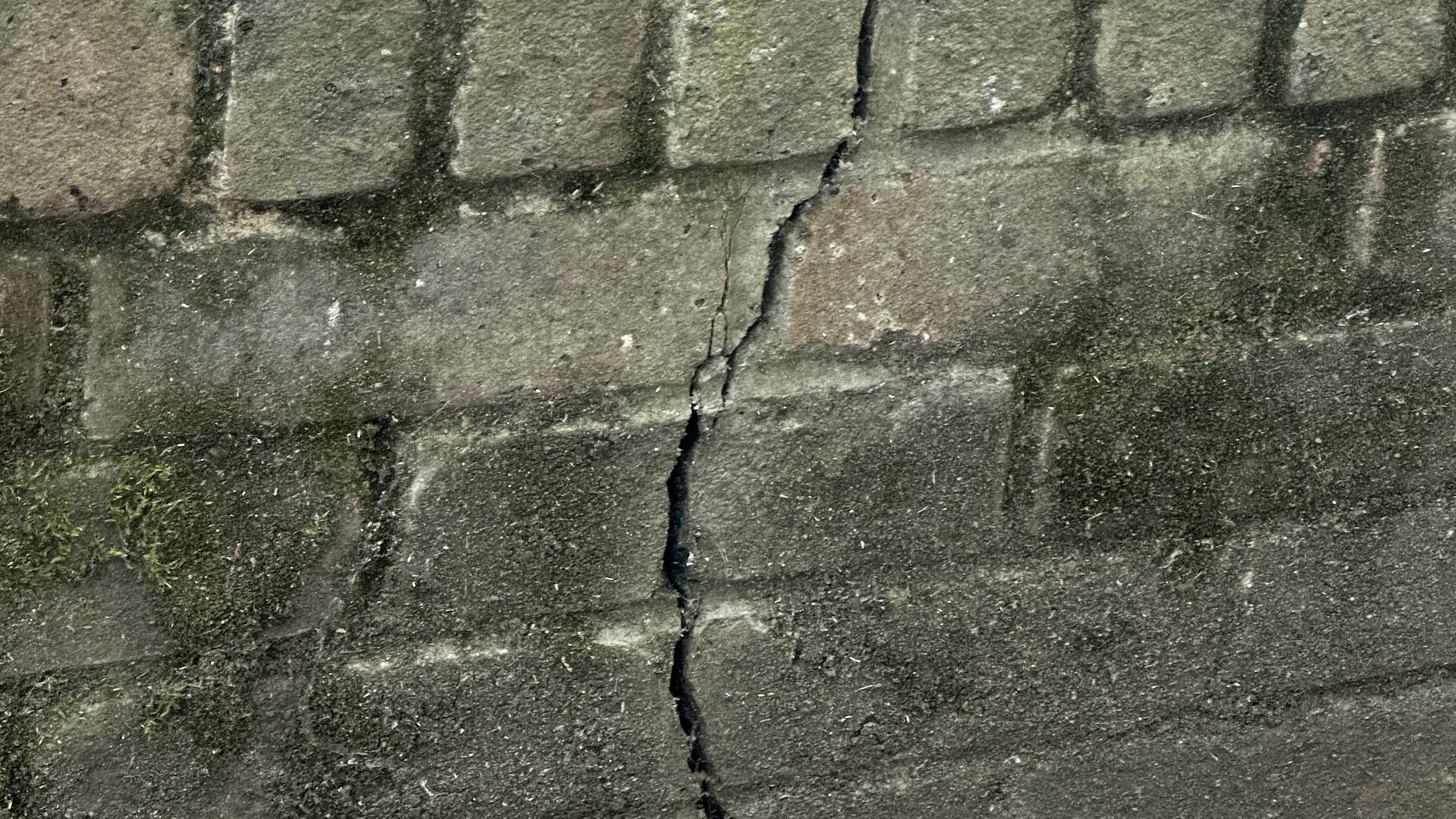
Older clay and pitch fibre drains crack, sag or separate at the joints with age, ground movement and root growth. Roots then find their way in through the cracks and catch everything that passes. Early signs include repeat blockages in the same place, damp patches, a sewage smell outside or a sudden increase in rats.
How to prevent it:
-
Keep new trees and large shrubs well away from drain runs.
-
Book a CCTV drain survey if a drain keeps blocking, or before you buy an older home or build an extension.
When to call us: a survey shows exactly where the damage is, so the repair can be targeted. Read more about tree roots in drains and pitch fibre drains, or see our drain repair service.
4. Toilets Blocked by Wipes and Sanitary Products
Toilets and soil pipes are only designed to carry the three Ps: pee, poo and toilet paper. Wipes do not break down like toilet paper, even when the packet says “flushable”. Water UK reports that 94% of blockages are caused by wet wipes, and in a 2025 Thames Water survey a quarter of people believed wipes were safe to flush.
How to prevent it:
-
Put a small bin with a lid in every bathroom for wipes, cotton pads, sanitary products and nappies.
-
Only flush the three Ps.
-
If you have young children, keep an eye on toys and toilet roll “experiments”.
When to call us: if the toilet rises when flushed, or other toilets, showers or the outside manhole are also slow, the blockage is in the main drain. See our drain unblocking service.
5. Flooding and Overflowing Drains in Heavy Rain
When a heavy shower hits, blocked gutters, broken downpipes and silted gullies quickly overflow. Surface water flooding is now the most widespread flood risk in England: the Environment Agency estimates that around 4.6 million properties are in areas at risk of flooding from surface water.
How to prevent it:
-
Clear gutters and check that downpipes discharge into a working gully or soakaway.
-
Keep outside drains clear (see point 2).
-
Watch for water backing up from the same drain every time it rains. That usually points to a partial blockage or a damaged pipe rather than the weather.
When to call us: if sewage or dirty water is coming up inside or outside the house, call us straight away on our emergency drain and sewage flood response line. Our guide to blocked drains after heavy rain explains what to check first.
Who Is Responsible for the Drain?
The drains that serve only your home are normally your responsibility up to the point where they join the public sewer. Ofwat explains that since 1 October 2011 this is usually at your property boundary. Shared pipes and anything beyond the boundary are usually the water company’s. Our guide drainage problem: who is responsible? goes into more detail.
Frequently Asked Questions
Can I Clear a Blocked Drain Myself?
You can often clear a blocked sink trap, or a toilet with a plunger, yourself. Avoid chemical drain cleaners on blockages that have not moved, because they rarely shift fat or wipes and they can damage older pipes. If the blockage is in the outside drain, our guide on how to use drain rods explains how to do it safely.
How Much Does It Cost to Unblock a Drain?
Our prices start from £90 for manual clearance, £120 for high-pressure jetting and £165 for mechanical cutting. Fixed price quoted upfront before we start, no hidden extras. No call-out fee. Full details are on our drain unblocking page.
How Often Should Outside Drains Be Checked?
Check outside drain grids every few weeks in autumn, and after any storm. If a drain blocks more than once in a year, a CCTV survey will show why.
Need a Drain Sorted?
Drain 247 covers Watford, St Albans, Harrow, Bushey and the rest of our areas served, 24 hours a day. Call 0208 387 5591 or send us a message.