Blocked Drains
Frozen Pipes and Drains in a Cold Snap: 7 Myths Busted
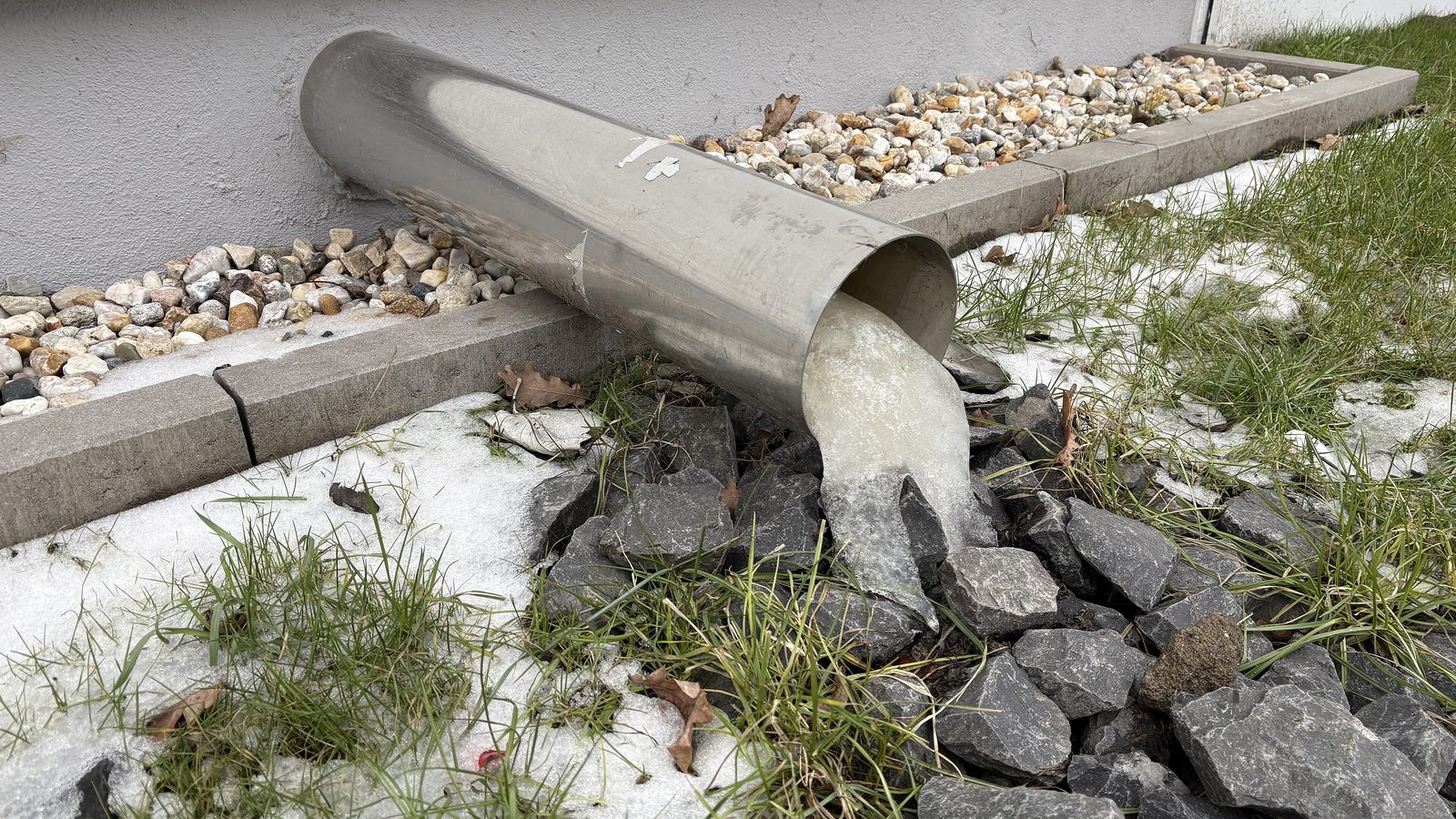
The short answer: Underground drains very rarely freeze in a short frost like the one forecast for this week. The pipes that do freeze are the exposed ones above ground: boiler condensate pipes, outside taps, waste pipes that run along an outside wall, and the water sitting in an outside gully. Thaw them gently with warm water or a hot water bottle, never a just-boiled kettle. If a sink, toilet or outside drain is still slow once the weather warms up, it's usually a blockage, not ice, and that's when to call a drainage engineer.
How Cold Will It Get in Watford and Hertfordshire This Week?
This is the first proper cold snap of the autumn. The BBC expects a widespread frost across the UK on Friday morning, and the UK Health Security Agency issued its first cold-health alert of the winter on 10 November, though only for the North West and West Midlands.
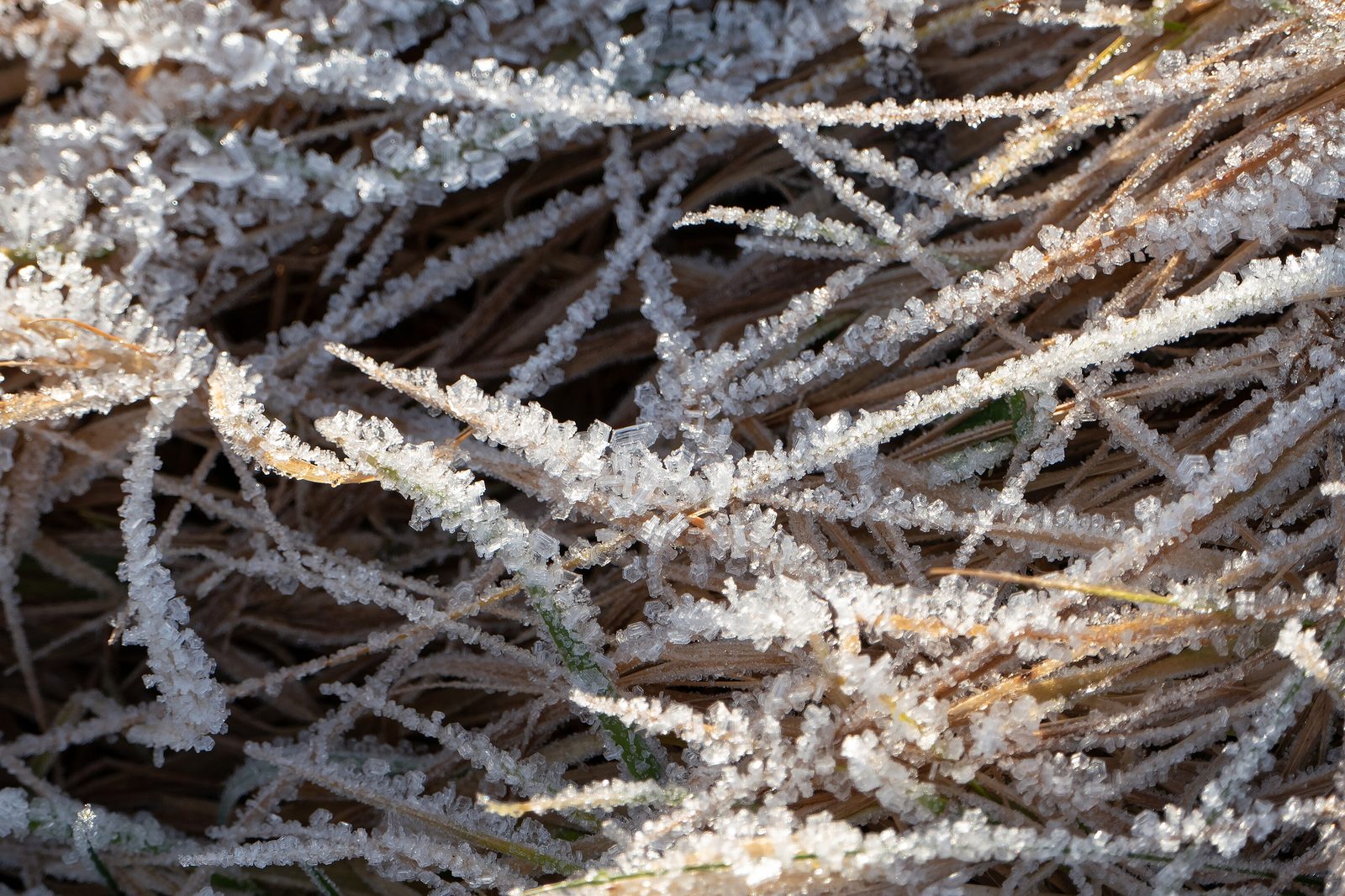
Locally, it's a frost rather than a deep freeze. The Met Office forecast for Watford, checked this morning, shows 0°C tonight, −1°C on Friday night and a high of just 5°C on Friday, before rain arrives from Sunday. That won't freeze a buried drain. It can freeze small pipes outside in the wind, and a frost followed by rain is when gullies tend to back up, because ice and leaves are sitting where the water needs to go.
Burst pipes matter more than usual this winter, because the region is still in drought. Thames Water's hosepipe ban remains in place for all its customers, and London's reservoirs were at 56% on 3 November against an average of 77%. Affinity Water's hosepipe ban is still in force across its Central region, which includes Watford.
Myth 1: "Underground Drains Freeze Solid in a Cold Snap"
They almost never do in weather like this. The drains under your garden are buried, and the ground around them holds heat far longer than the air. Water in a drain is also usually moving, which makes it much harder to freeze than water standing still in a small pipe.
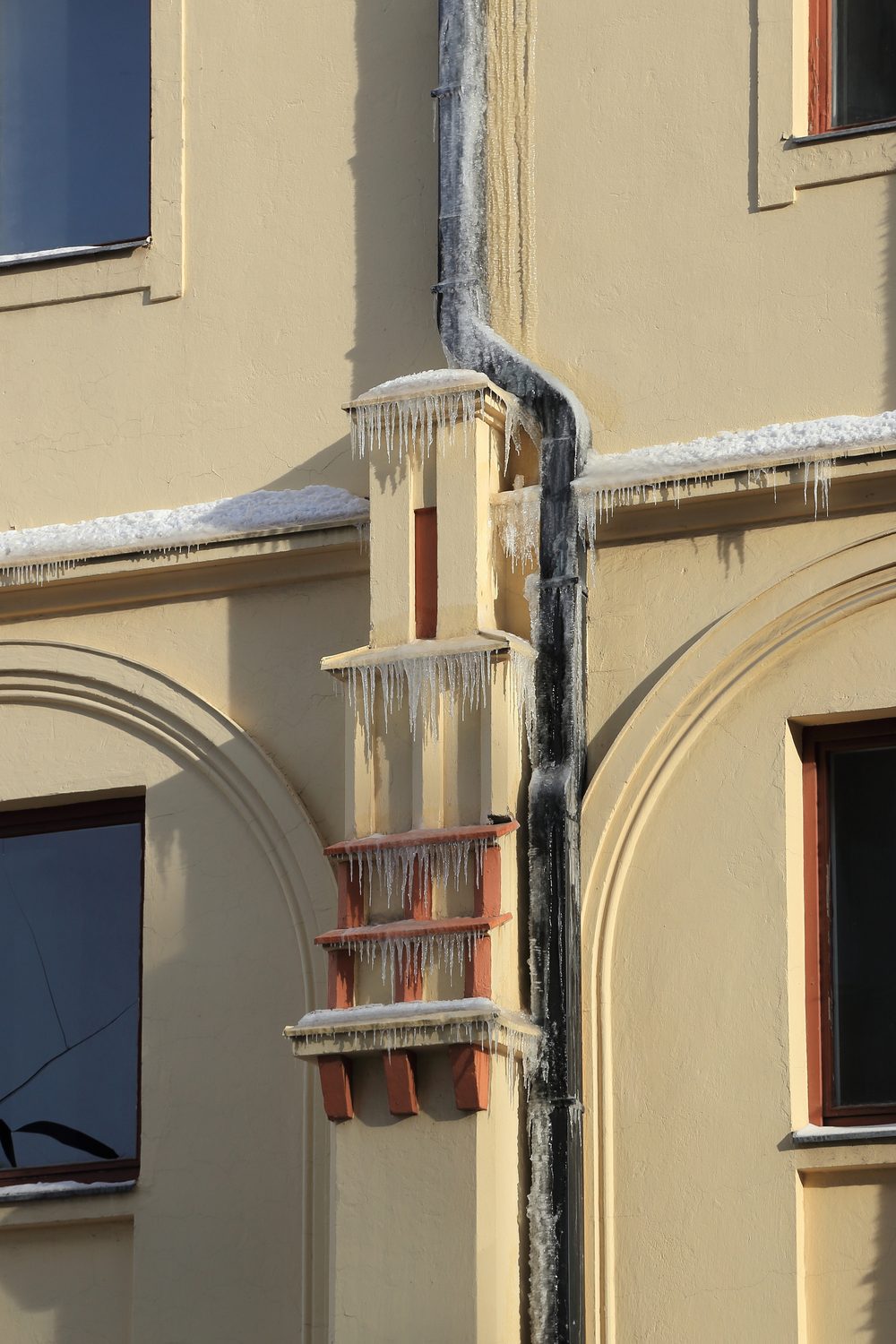
What does freeze is anything exposed:
- Boiler condensate pipes, the thin plastic pipe that runs from a condensing boiler through the wall to an outside drain or soakaway.
- Outside taps and the short length of pipe feeding them.
- Waste pipes on outside walls, especially long horizontal runs from a kitchen, utility room or extension that dip or sag, so water sits in them.
- The water in an outside gully. The trap is meant to hold water, and in a hard frost the top of it can ice over, particularly if the grate is already choked with leaves.
If your gully is still full of autumn leaves, clear it before the rain arrives on Sunday. Our leaf-fall checklist for gutters, downpipes and gullies shows you how.
Myth 2: "Boiling Water Is the Quickest Way to Thaw a Frozen Pipe"
It's the quickest way to turn a frozen pipe into a broken one. Worcester Bosch tells customers to use warm water, not boiling, on a frozen condensate pipe. Nottingham City Council's housing service goes further and warns tenants not to use boiling water on frozen pipes, especially metal ones, because the ice inside can expand and crack them. The ABI also warns against using a hammer or a blowtorch on a frozen pipe, because it's likely to cause more damage.
The same goes for drains. Just-boiled water poured into a cold toilet pan, plastic sink trap or gully puts sudden stress on ceramic and plastic joints, and it won't clear a blockage anyway.
The safe way to thaw a frozen supply pipe, following Thames Water's frozen pipes advice:
- Turn off the water at the stop tap, usually under the kitchen sink.
- Open the tap fed by the frozen pipe, so water can escape as it thaws.
- Move anything nearby that you want to keep dry.
- Warm the pipe slowly with a wrapped hot water bottle or warm towels.
- Run a dry cloth along the pipe once it's thawed. If the cloth comes away wet, leave the water off and call a plumber.
Myth 3: "If the Boiler Stops in a Frost, the Boiler Has Broken"
Usually it hasn't. A condensing boiler makes waste water, and the condensate pipe carries it to a drain. Worcester Bosch explains that if the outside section freezes, you may hear gurgling and see an error code, and the boiler shuts down.
If the pipe is at ground level and safe to reach, find the frozen part, usually the open end, a bend or a dip. Pour warm water along it or hold a hot water bottle against it, then reset the boiler. Don't climb a ladder on a frosty morning for a pipe at height; call a heating engineer.
To prevent it, WaterSafe recommends lagging the pipe and keeping the heating at 14°C or above overnight. Check where the pipe ends, too. If it drops into a gully clogged with leaves or silt, its end sits in standing water, the first place to freeze.
Myth 4: "a Slow Sink in Winter Must Be a Frozen Pipe"
Inside a heated house, it almost never is. A kitchen sink that empties slowly in November is nearly always clogged with fat, food waste or soap scum in the trap or the pipe outside. Water UK warns that fat poured down the sink, even with hot water and washing-up liquid, can soon set hard in cold pipes.
How to tell the two apart:
| What you notice | More likely ice | More likely a blockage |
|---|---|---|
| Timing | Only during the frost, fine by mid-morning | Gets worse over days or weeks, frost or no frost |
| Which fittings | One outside or exposed pipe | Several fittings, or the outside gully too |
| Sounds and smells | No smell | Gurgling, bad smells, water rising in the gully |
| After the thaw | Back to normal | Still slow |
Our post on keeping the kitchen sink clear from Halloween to Christmas explains how to clear a bottle trap safely.
Myth 5: "Once It Thaws, Everything's Fine"
The thaw is when damage shows. Thames Water explains that water expands when it freezes, which can crack or split pipework, and that leaks often appear during a thaw as water finds its way through the damage. Pipes to outside taps, in unheated lofts, garages and utility rooms, and along cold outside walls are the most at risk.
As it warms up this weekend, check the loft, garage and under the sink for drips. If a pipe has burst, Thames Water says to turn off the stop tap, switch off the heating, open the taps to drain the system and switch off the electrics if water is near them, then call your insurer or a plumber.
Outside, watch for a wet patch that doesn't dry, or a gully that overflows the first time it rains. A damp patch could be a split supply pipe or a leaking drain; our guide to telling a water leak from a leaking drain includes a simple meter test that tells you which.
Myth 6: "a Burst Pipe or Blocked Drain on My Property Is the Water Company's Job"
Not inside your boundary. Thames Water's winter advice says burst pipes on private property are the homeowner's responsibility. That covers the pipes in your home and, in most cases, the supply pipe from your boundary to the house. The water company fixes leaks on its own mains, so report a leak in the road to it.
Drains work in a similar way. Pipes that serve only your property and sit within your boundary are yours. Once a drain is shared with a neighbour or runs beyond your boundary, it's normally a public sewer and the water company's job. Our guide to who is responsible for blocked drains in Hertfordshire explains where the line falls. If you rent, your landlord normally arranges repairs.
Check your home insurance before you need it. If you're going away, the ABI advises checking for restrictions when a home is left empty for a set period, such as 30 days or more.
Myth 7: "It's Only a Light Frost, So There's Nothing to Do"
Ten minutes this afternoon can save a very bad weekend. Before tonight's frost:
- Find your stop tap and check it turns. The ABI and Thames Water both put this first.
- Lag exposed pipes in the loft, garage and on outside walls with foam insulation from a DIY shop, including the condensate pipe.
- Isolate and drain the outside tap and disconnect the hose, as WaterSafe advises.
- Keep the heating at 14°C or above overnight, or use the frost setting on your thermostat or radiator valves in rooms you don't use.
- Fix dripping taps, inside and out, so water can't freeze in them.
- Clear leaves from outside gullies and grates before the rain arrives on Sunday.
When to Call a Drainage Engineer
Ice clears itself once the weather warms up. Blockages and damage don't. Call a drainage engineer if, after the frost:
- an outside gully or manhole is filling up, overflowing or smells;
- toilets are slow to flush, or water gurgles in the sink when you flush;
- more than one fitting is slow at the same time;
- a section of drain keeps blocking every winter.
Most outdoor blockages are cleared on the first visit with our drain unblocking equipment. If a drain keeps blocking, a CCTV survey can show whether a displaced joint, a dip holding water or root ingress is behind it. Any repair depends on what the survey finds.
Common Questions
Can Underground Drains Freeze in the UK?
Very rarely in a normal winter. Buried drains are protected by the ground around them, and the water in them is usually moving. What freezes are exposed pipes above ground, such as condensate pipes, outside taps and external waste pipes, and the water sitting in outside gullies.
Is It Safe to Pour Boiling Water Down a Frozen Drain or Toilet?
No. Sudden heat can crack a cold ceramic toilet pan and stress plastic pipes and joints, and Nottingham City Council's housing service warns that boiling water can crack metal pipes. Use warm water or a wrapped hot water bottle, and thaw slowly.
How Do I Unfreeze a Boiler Condensate Pipe?
If the pipe is at ground level and safe to reach, find the frozen section, usually the open end or a bend, and pour warm (not boiling) water along it or hold a hot water bottle against it. Then reset the boiler. If the pipe is at height, call a heating engineer.
Who Pays for a Burst Pipe in My Garden?
Usually you do. Thames Water says burst pipes on private property are the homeowner's responsibility, which normally includes the supply pipe from your boundary to the house. Leaks on the water main in the street are the water company's to fix. Check whether your home insurance covers the damage.
My Sink Is Slow in Cold Weather. Is the Pipe Frozen?
Probably not, if the house is heated. A slow kitchen sink in winter is usually a fat or food blockage, because Water UK says fat can set hard in cold pipes. If it's still slow after the frost has gone, clear the trap or call a drainage engineer.
Outside Drain Backing Up After the Frost? If a Gully, Manhole or Toilet Is Still Slow Once the Ice Has Gone, Get in Touch with Us. a Real Person Answers 24 Hours a Day, and If You Ask for a Call Back, We'll Ring You Typically Within a Couple of Hours. There's No Call-Out Fee, and We'll Agree a Fixed Price with You Before Any Work Starts.
Outside Drain Backing Up After the Frost?
If a gully, manhole or toilet is still slow once the ice has gone, get in touch with us. A real person answers 24 hours a day, and if you ask for a call back, we'll ring you typically within a couple of hours. There's no call-out fee, and we'll agree a fixed price with you before any work starts.