CCTV Drain Surveys
Wet Patch in the Garden? How to Tell a Water Leak from a Leaking Drain

The short answer: A patch of ground that stays wet after weeks without rain can point to a clean water supply pipe leak or a leaking drain — though wet patches also have other causes. Check your water meter first. Turn off every tap and appliance, close the inside stop tap, take a reading and look again 30 minutes later. If the number has moved, it indicates a possible leak on the metered supply pipe, and that's a job for a plumber or leak detection specialist. If the meter hasn't moved, that does not prove a leaking drain. If the patch then gets wetter after you run a bath, flush the toilet or it rains, a drain fault is worth investigating with a CCTV drain survey.
Why Are So Many Pipes Leaking Right Now?
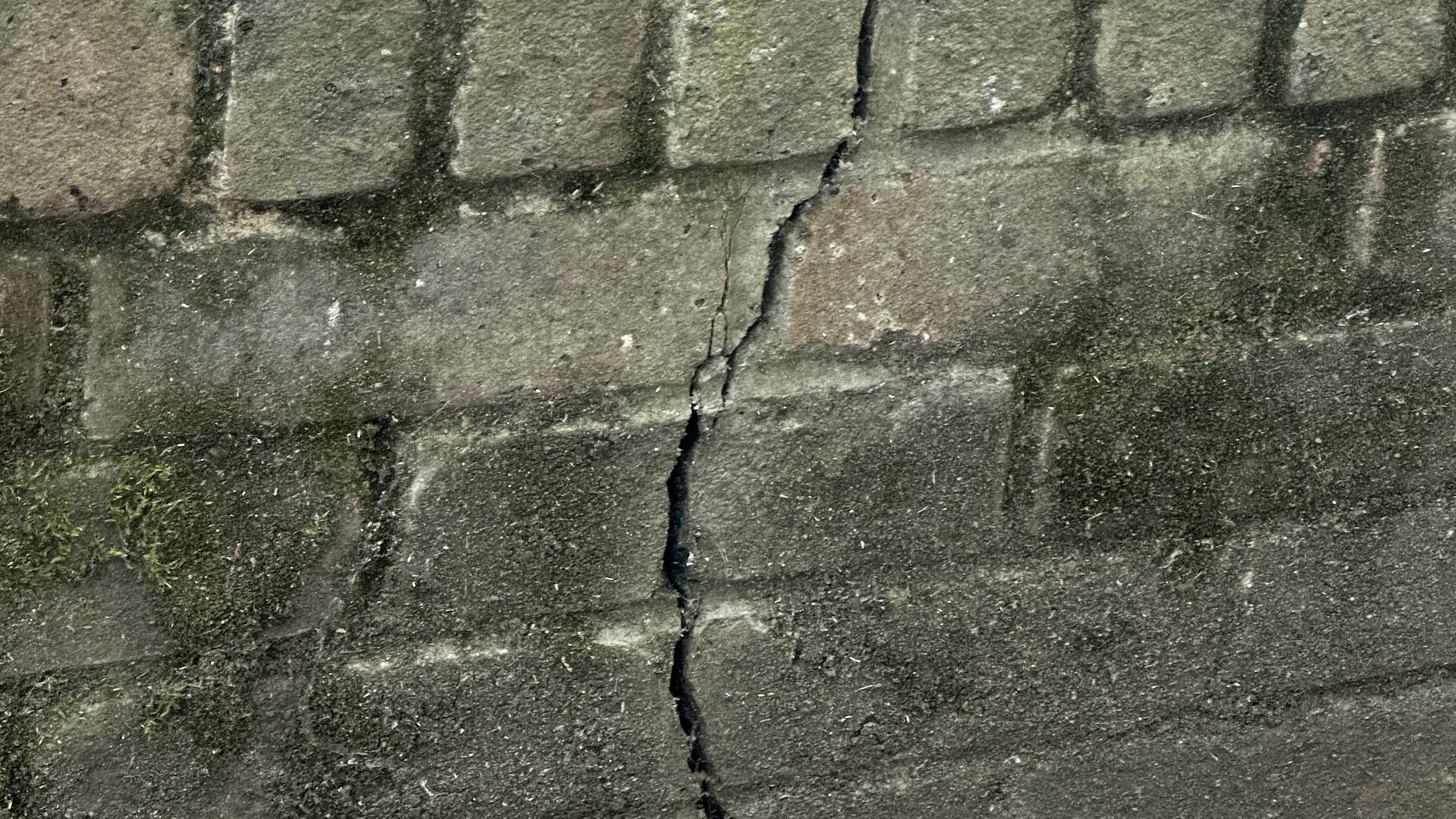
Dry ground moves. When clay soil dries out it shrinks and cracks, and as it moves it puts strain on anything buried in it. Thames Water says long dry spells can cause the ground to shrink and move, putting additional pressure on underground pipes. It found 88% more leaks in July 2026 than in July 2025.
That pressure hasn't gone away with the cooler weather. Thames Water marked 100 days of drought this week and said London's reservoirs were at 56% on 3 November, against an average of 77% for the time of year. Rainfall from August to October was about 81% of normal. The hosepipe bans in Thames Water's area and Affinity Water's Central region, which includes most of Hertfordshire, are still in place.
The Environment Agency's annual water resources report, updated on 29 October, says almost one in every five litres of water put into the network in England is lost through leaks. It links drought to "higher levels of ground movement resulting in more underground pipe damage". Many bursts are on the water companies' own mains, like the one on Wealdstone High Street, where a burst water main caused major flooding on 23 October. But some of it is in private supply pipes running under front gardens and driveways. The same shrinking ground also strains older clay drains, which we covered in our post on subsidence and drains after a hot summer.

Water Leak or Leaking Drain: the Signs Side by Side
Two different sets of pipes run under most gardens. The supply pipe brings clean water in under mains pressure, usually from a stop tap near the pavement to the stop tap inside your house. Drains carry used water and rainwater out, flowing downhill by gravity. Because one is under pressure and the other isn't, they leak in different ways.
| What you notice | Points to a supply pipe leak | Points to a leaking drain |
|---|---|---|
| When it's wet | All the time, even overnight | After baths, washing, flushing or rain |
| Water meter | Keeps moving with everything off | Doesn't move |
| Smell | None. It's clean water | Often musty or sewage-like |
| Where the patch is | Along the line from the pavement stop tap to the house | Along the drain run, near manholes, gullies or downpipes |
| Indoors | Low pressure, a hissing stop tap or a jump in your water bill | Slow drains, gurgling, or rats or flies around the drain |
| Ground | Can stay soft and green in dry weather | Can sink or dip along the pipe line |
None of these signs is proof on its own. Thames Water's own list of signs of a leak at home includes damp patches in the garden in dry weather, cracks in paving, potholes, lower water pressure and an unexpected rise in water use. Several of those can also be caused by a broken drain, so look at the pattern rather than a single clue.
How to Do the Water Meter Test
This is the quickest way to check for a possible leak on the metered supply pipe, and it costs nothing.
- Make sure nobody is using water. Turn off the washing machine, dishwasher, any outside tap and anything else that fills or drips.
- Turn off your inside stop tap. It's usually under the kitchen sink or where the pipe comes up through the floor.
- Find your meter (often in a small chamber near the boundary) and write down the reading.
- Wait 30 minutes without using any water, then read it again.
If the reading has changed, water is escaping somewhere between the meter and your inside stop tap, which indicates a possible underground supply pipe leak. If you have a smart meter, your water company may be able to see a continuous flow too. The Environment Agency's report says companies have a role in alerting customers to continuous flow and supporting them with suspected underground supply pipe leaks. If you aren't on a meter at all, call your water company. A possible leak is a good reason to ask them for help.
If the meter didn't move, a continuous supply pipe leak is unlikely — but a still meter does not prove a leaking drain, and wet patches have other causes. On a dry day, run a bath's worth of water or fill and empty the sink a few times, then check the wet patch an hour later. If it's grown or the soil smells, a drain fault is worth investigating. A rainwater pipe or soakaway that only leaks in a downpour will be harder to catch during the drought. That's another reason a camera survey beats guesswork.
What a Leaking Drain Looks Like Underground
On older homes around Watford and North West London, we tend to see the same causes of leaks:
- Cracked or displaced clay joints. Many pre-1970s drains are short clay pipes joined every few feet. When ground shrinks and swells, those joints open up.
- Root intrusion. Roots find the moisture at a leaking joint, grow in and widen the gap.
- Pitch fibre pipes going soft and out of shape. These were common in houses built from the 1950s to the 1970s.
- Broken connections where a gully, downpipe or extension drain meets the main run.

A typical pattern is a dip in the lawn or cracked paving near an inspection chamber that has crept in over a summer. If you lift the cover, there's often a tidemark or debris showing that water has been backing up. A leaking drain also tends to attract rats, because broken pipes give them a way in and out.
A CCTV drain survey puts a camera through the pipe, so you see exactly where it's cracked and how badly, rather than digging up the garden to find out. Our surveys are WRC-approved and accepted by all insurers, which matters if you're making a claim.
Who Is Responsible for Fixing It?
The supply pipe. Your water company owns the main in the road and the short communication pipe up to your boundary or outside stop tap. From there into your home, the supply pipe is yours. Thames Water's pipe responsibility guide says that once a leak is confirmed, the owner should arrange a repair within four weeks. If you rent, it's your landlord's job, and shared supply pipes are a joint responsibility. Thames can serve a formal notice under Section 75 of the Water Industry Act 1991 if a leak is left, and it suggests checking your home insurance first and then using a WaterSafe-approved plumber. Most of Hertfordshire gets its water from Affinity Water, and much of London from Thames Water, so check your bill to see who supplies you.
The drains. Pipes that only serve your property are yours, up to where they meet a shared drain or the public sewer. Shared drains and lateral drains are usually the sewerage company's, which in most of our area is Thames Water. We've set out where the lines fall in our guide to who is responsible for a blocked drain in Hertfordshire.

What Happens If You Leave It?
A supply pipe leak wastes water you may be paying for, and it shows up on your bill. If yours has suddenly risen, our post on the common causes of high water bills is worth a read. Water escaping all the time also softens the ground around foundations.
A leaking drain is the bigger long-term risk. Every time you use water, some of it washes soil into the cracked pipe. Over months that can leave a void, and the pipe can sag or collapse. Insurers will usually want to know when the problem started, so it's better to find it now. Depending on the condition found on a survey, a cracked drain may be suitable for a drain repair such as a patch or a lining from the inside, without digging. That's far easier and cheaper than repairing a collapse later.
Common Questions
Does a Wet Patch in the Garden Always Mean a Leak?
No. Heavy clay soils hold water, low spots collect it, and a dripping outside tap or an overflowing water butt can cause a damp patch. A patch that stays wet through a long dry spell, or keeps coming back in the same place, is worth checking with the meter test.
Will My Water Meter Show a Leaking Drain?
No. A water meter only measures clean water coming in under pressure. Drains carry water away, so a leaking drain won't make the meter move. A still meter does not prove a leaking drain. If the ground then gets wetter after you use water, a drain fault is worth investigating.
Who Pays to Fix a Leaking Supply Pipe?
The property owner pays for the section from the boundary or outside stop tap into the house. The water company is responsible for the main and the pipe up to your boundary. Check your home insurance, because some policies cover underground supply pipes.
Can a Leaking Drain Cause Subsidence?
It can contribute. Water leaking from a cracked drain can soften clay or wash away finer soils, which can lead to movement near the pipe. Insurers often ask for a CCTV drain survey when they look into subsidence claims.
How Do You Find a Leaking Drain Without Digging?
We feed a camera through the drain from an inspection chamber or gully. The footage shows cracks, open joints, roots and collapses, and we can mark where they are on the surface. Small leaks can often then be repaired from inside the pipe.
I Rent My Home. Who Should I Tell?
Tell your landlord or letting agent as soon as you spot it, in writing if you can. Thames Water says a leaking supply pipe at a rented home is the landlord's responsibility, and private drains generally are too.
Meter Didn't Move, but the Patch Is Still There?
If you think a drain is leaking, call us on 0208 387 5591. We'll call you back typically within a couple of hours, there's no call-out fee, and we'll agree a fixed price with you before any work starts.