Blocked Drains
Flooding in Hertfordshire: Who to Report It to and What to Check on Your Drains
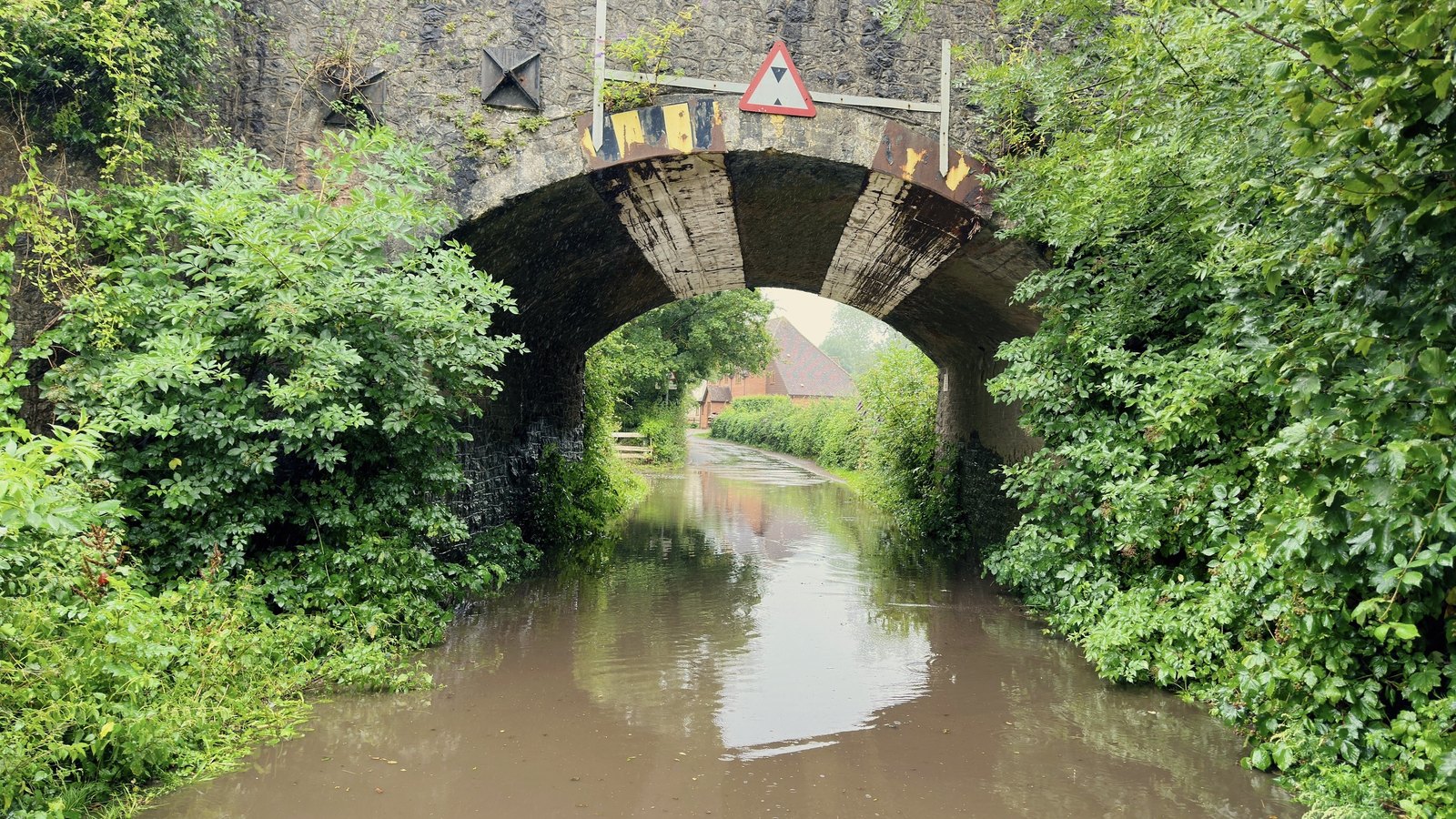
The short answer: Who you report flooding to depends on where the water is coming from. In Hertfordshire, flooded roads, blocked road drains, surface water, groundwater and small streams or ditches go to Hertfordshire County Council (online or on 0300 123 4047, including out of hours). Sewage or water coming out of manholes and the public sewer goes to your water company, which is Thames Water in most of our area (0800 316 9800). Flooding from a main river goes to the Environment Agency's 24-hour incident hotline on 0800 80 70 60. Flooding caused by your own private drains is your responsibility as the property owner.
Why This Matters This Week
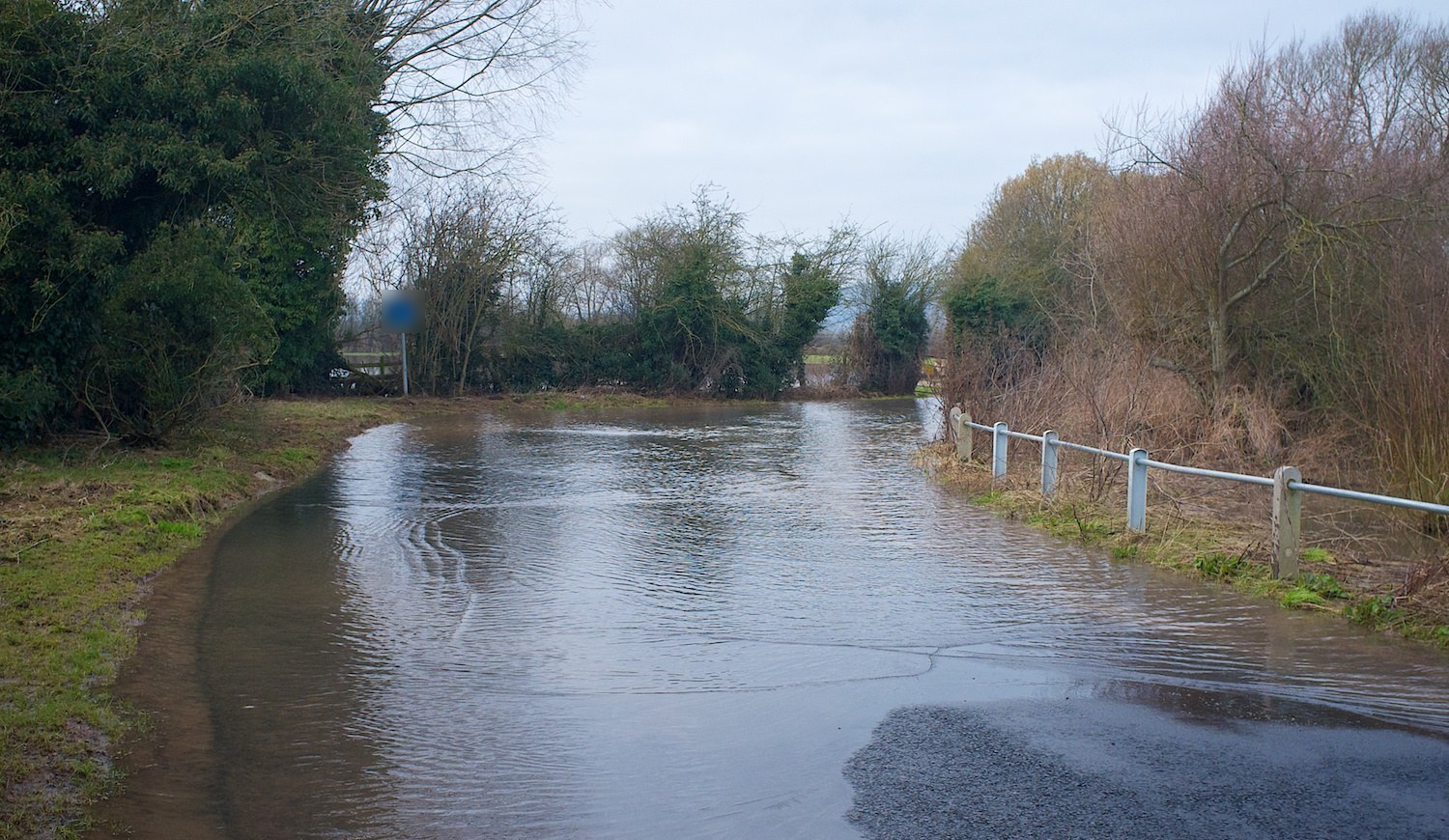
The last ten days have shown how many different bodies can be involved in one wet morning. On 17 November, Cardiff Road in West Watford flooded again, and residents told the Watford Observer that water was coming out of their toilets. Thames Water is planning a sewer repair there, while the county council says the road's gullies are cleaned and inspected regularly. Two days later the A41 between Hunton Bridge and the M25 was closed by floodwater until about 1.10pm, and the Environment Agency put out a flood alert for the Upper Colne and Radlett Brook, removed by 10am.
More rain is coming. The Met Office forecast for London and the South East has outbreaks of rain on Saturday, and its UK outlook says spells of rain into early December "may be heavy and persistent, especially in the south and west".
It's still officially a drought here, too. The Environment Agency's latest report says Hertfordshire and North London remains in drought and that soils are drier than average. Dry, hard ground doesn't soak up heavy rain quickly. As scientists explained to the BBC after the 2022 drought, it pools on the surface and runs off, so more of it ends up in gullies and drains at once.
Who to Report Flooding to: a Quick Guide
| What you can see | Where it's probably coming from | Who to report it to |
|---|---|---|
| Road or pavement under water, road drain (gully) blocked | Highway drainage or surface water | Hertfordshire County Council highways: report online or call 0300 123 4047 |
| Water or sewage rising out of a manhole, outside gully or ground-floor toilet, often with a smell | Public sewer surcharging or blocked | Your sewerage company: Thames Water 0800 316 9800 in most of our area (Anglian Water in a few parts of the county) |
| Clean water bubbling up from the road or pavement | Burst water main | Your water supplier, usually Affinity Water or Thames Water |
| A river overtopping its banks | Main river | Environment Agency incident hotline 0800 80 70 60 (24 hours) |
| A brook, stream or ditch overflowing | Ordinary watercourse | Hertfordshire County Council (and the landowner) |
| Water seeping up through the ground or into a cellar | Groundwater | Hertfordshire County Council |
| Only your property affected, a slow or blocked drain on your land | Your private drain | You, as the owner, or your landlord if you rent |
In north-west London the pattern is the same, but your borough council takes the county council's role, and Transport for London looks after red routes.
Reporting a Flooded Road or Blocked Gully
Hertfordshire County Council is both the highway authority and the Lead Local Flood Authority, which means it looks after road drainage, surface water, groundwater and ordinary watercourses. Its flooding fault page lets you choose "drain blocked", "road flooded", "footway flooded" or "property damaged by flooding". It's honest that it can't always deal with flooding straight away, and asks people to report the same problem again so it can see which places are worst affected.
The council empties and cleans more than 180,000 road drains on a 6, 12, 18 or 24-month cycle. It aims to clear a blocked drain within 12 months of it being reported, and to repair a collapsed drain or a stuck or broken lid within 18 to 24 months. Its online map shows when each road drain was last visited and when the next routine visit is due. The A41 flooding is a good example of why that's worth checking: the Watford Observer found that two of the nearest drains had last been visited in May 2024, one with a stuck lid, with the next routine visit not due until October 2027.
When you report, give the exact location (house number or the nearest lamp post), say which drain is blocked, add a photo, and note the date and time. The council doesn't clean drains on private roads or parking areas; those are up to the landowner.
When the Water Is Coming from the Sewer
If water is rising out of a manhole, an outside gully or a ground-floor toilet, especially if it smells or carries toilet paper, the likely cause is the public sewer. Thames Water's guide to what to do during sewer flooding says to call 0800 316 9800. It aims to attend within 4 hours if the flooding is inside your home and within 24 hours if it's outside, though it warns this can take longer in severe weather. Take photos before the water goes down, and tell your insurer.
Our guide to sewage coming up through a drain covers the first hour, safe clean-up and compensation in more detail.
It isn't always the sewer. When we're called out to a flooded garden in heavy rain, we often see one of two patterns. In the first, the private drain is clear but the inspection chamber is filling from the outlet side, because the public sewer downstream can't take any more water. In the second, the water is backing up behind a blockage in your own pipe while your neighbours' drains run freely. Lifting the inspection chamber cover, if it's safe to do so, and asking your neighbours whether theirs are affected is usually enough to tell which one you have. Our guide to who is responsible for blocked drains in Hertfordshire explains where your pipe ends and the water company's begins.
If Floodwater Gets Into Your Home: Report It Every Time
The county council can carry out a formal investigation into a flood under Section 19 of the Flood and Water Management Act 2010, and publishes what it finds. In its draft strategy, it proposes considering one when, for example:
- five or more homes are flooded inside by the same cause in a single event
- ten or more homes are flooded outside by the same cause in a single event
- between two and five properties are flooded inside at least twice within two years, from the same cause.
The council can still investigate floods that fall below these numbers, and every reported incident gets an initial review. It can only count floods it has been told about, though, so report every one, even if it was only the garden.
Brooks, Ditches and Culverts: You May Be the Owner
If a stream, ditch or culverted watercourse runs through or along the edge of your land, you probably own it, up to the centre if it's on the boundary. The government's guide to owning a watercourse says you must let water flow naturally, and you may have to clear blockages or fallen branches if they cause flooding to other people's property. It also warns: don't go inside a culvert, as you could get trapped or be overcome by gases. You'll usually need consent from the county council before you change an ordinary watercourse, for example by culverting it or building in it.
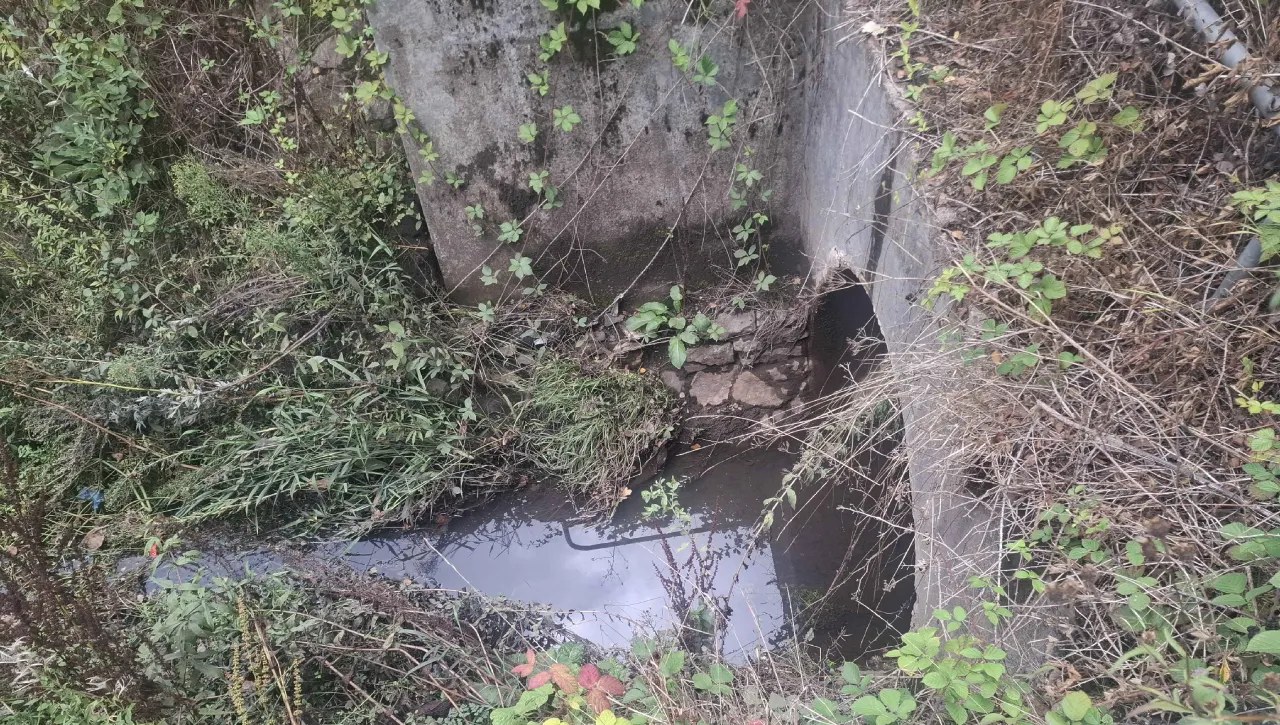
Is Your Postcode a Flood Hotspot?
The county council's flood incident records, published by the Watford Observer, show which postcodes reported the most flooding between 2020 and 2025. SG12 (Ware) topped the list with 104 incidents, followed by EN11 (Hoddesdon) with 94 and EN6 (Potters Bar) with 85. Closer to us, WD3 (Rickmansworth, Croxley Green and Chorleywood) had 48, the highest of any WD postcode and up from 29 in 2015 to 2019, while WD19 (Oxhey and Carpenders Park) fell from 76 to 14. Central Watford's postcodes were much lower: WD17 had 8, WD24 had 9 and WD18 had 3.
The draft strategy says 19,396 properties in Hertfordshire, 3.9% of the total, are at high risk of surface water flooding today. On its 2040 to 2060 climate projections, that rises to 30,963, or 6.2%.
To check your own address, use the government's long-term flood risk service. It doesn't cover blocked drains or burst pipes. You can also sign up for free flood warnings by text, phone or email, or call Floodline on 0345 988 1188. Those warnings cover rivers, the sea and groundwater, not surface water flooding, so a flash flood in your road can still arrive without one.
Have Your Say on the County's Flood Strategy
Hertfordshire County Council's consultation on its Local Flood Risk Management Strategy for 2026 to 2036 opened on 16 November and closes on Monday 11 January 2027. The draft sets out ten principles, including flood awareness, community resilience and a new way of prioritising where money and staff go. You can read the draft and take the survey online.
If your road floods, the most useful thing you can add is detail: the street, roughly when it has flooded, where the water comes from and goes, and photos. That kind of local evidence is hard for anyone else to supply.
What to Check on Your Own Drains Before the Next Downpour
Most of this takes ten minutes on a dry day:
- Lift your inspection chamber cover, if it's safe and not too heavy, and check the channel at the bottom is clear and the water is flowing away.
- Clear leaves and silt from outside gullies and the grids on yard or driveway drains. Our leaf-fall checklist covers gutters, downpipes and gullies step by step.
- Check where your downpipes go. The county's draft strategy lists surface water wrongly connected to foul sewers as one of the things that makes sewer flooding worse.
- Keep fat and wipes out of the drains. In heavy rain, a part-blocked pipe has less room for water.
- Photograph any flooding at your property and keep the dates. That record helps the council, the water company or your insurer.
- Look into flood resilience if you have flooded before. Some insurers offer Flood Re's Build Back Better scheme, which pays for resilience measures worth up to £10,000, such as non-return valves on drains and flood doors, as part of a flood repair claim. Ask your insurer, and see our guide to whether home insurance covers drains.
If your drains back up every time it rains hard, a CCTV drain survey shows what is happening inside the pipe. It can show a blockage, roots, a displaced joint or a dip that holds water. Whether a repair or a non-return valve makes sense depends on what the survey finds and on how your drain connects to the sewer.
How We Can Help
We clear blocked private drains and gullies across Hertfordshire and north-west London, 24 hours a day. If the problem turns out to be the public sewer or a road drain, we'll tell you, so you can report it to the water company or the council with a clear note of what we found. Every job has a fixed price agreed before we start, and there's no call-out fee.
Common Questions
Who Do I Call If the Road Outside My House Is Flooded in Hertfordshire?
Report it to Hertfordshire County Council's highways team, online through its fault reporting service or on 0300 123 4047, which also takes emergency calls out of hours. Report it again even if neighbours already have, because the council uses repeat reports to decide where to work.
Who Clears Blocked Road Drains in Watford?
Road drains on public roads in Watford, and across Hertfordshire, are looked after by Hertfordshire County Council. It aims to clear a reported blockage within 12 months. Drains on private roads, car parks and your own land are the owner's responsibility.
Who Do I Call About Sewage Flooding from a Manhole?
Call your sewerage company. In most of Watford and south-west Hertfordshire that's Thames Water on 0800 316 9800, which aims to attend within 4 hours for flooding inside a home and 24 hours outside. A few parts of the county are served by Anglian Water instead, so check your bill.
Can I Get Warnings for Surface Water Flooding?
Not directly. The Environment Agency's free flood warning service covers rivers, the sea and groundwater, but it can't warn about surface water or flash flooding. Met Office weather warnings for heavy rain are the best early signal.
Who Has to Clear a Ditch or Stream at the Bottom of My Garden?
Usually you do. If a watercourse runs through or alongside your land, you're normally the owner, up to its centre on a boundary. You must let water flow naturally, and you'll usually need council consent before changing the watercourse. Never go inside a culvert.
Worried About Your Drains Before the Next Downpour?
Call us on 01923 959780 or get in touch online. A real person answers 24 hours a day, and if you ask for a call back, we'll ring you typically within a couple of hours. There's no call-out fee, and we'll agree a fixed price before any work starts.